


And What Most Dog Owners Get Wrong.
It seems logical. Your dog is dirty or tangled, so you give them a bath. You expect the water and shampoo to loosen everything up and make brushing easier afterward.
But for many dog owners, the opposite happens. After the bath, the coat feels tighter, rougher, and suddenly full of mats that were not there before.
This is one of the most misunderstood parts of dog grooming. Water does not fix mats. In most cases, it actually makes them worse.
Once you understand what is happening at a hair-structure level, you will completely change how you approach bathing and brushing.
Why a Bath Can Ruin a Coat You Just Brushed
Matting is not just a cosmetic issue. When water tightens tangles, small knots can quickly turn into solid mats that are much harder to remove.
This often leads to frustration, discomfort for your dog, and sometimes the need to cut or shave the coat.
- Loose tangles tighten when wet
- Drying process locks knots in place
- Brushing becomes more difficult after bathing
If you have experienced mats forming even after brushing, you can also read why mats form despite brushing to understand deeper causes.
How Water Tightens Tangles Into Mats
Hair changes structure when it gets wet. Each strand swells and becomes more elastic. This sounds helpful, but it actually increases the chances of tangling.
When tangled hair gets wet, it does not separate. Instead, it tightens and wraps around itself more aggressively.
- Hair strands swell and grip each other
- Movement during bathing increases friction
- Drying causes knots to contract and harden
This is why mats often appear worse after a bath, even if they were barely noticeable before.
What to Do Before, During and After a Bath
The solution is not to avoid bathing your dog. It is to change the order of your grooming process.
You must remove tangles before water touches the coat. This is the step most people skip.
- Fully brush and detangle before bathing
- Use conditioner to reduce friction
- Dry and brush immediately after
For a full brushing technique, review how to brush a doodle coat properly to avoid missing deeper layers.
Tools That Help Prevent Wet Matting

Flying Pawfect Slicker Brush
This is the most important tool in preventing mats before they ever reach the water stage.
Its ability to reach deeper into the coat allows you to remove tangles at the root level, where matting actually begins.
Brushing before a bath is not optional. It is critical, and this is the type of tool that makes it effective.
Without proper detangling, water will only make the problem worse.
Used consistently, it dramatically reduces post-bath matting.
- Best for: Pre-bath detangling
- Why it works: Deep penetration into coat
- Context: Primary grooming tool

Metal Comb
A comb ensures that your coat is truly tangle-free before bathing. This is important because brushes can sometimes miss small knots.
If a comb catches anywhere, that area will likely become a mat once wet.
This tool acts as a verification step, not just a grooming tool.
It forces precision and prevents hidden issues from worsening.
- Best for: Pre-bath checks
- Why it works: Detects hidden tangles
- Context: Accuracy tool

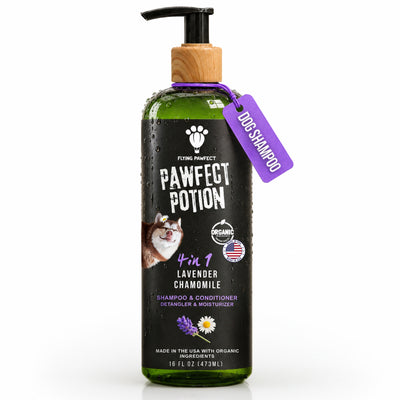
Dog Conditioner
Conditioner reduces friction between hair strands, which is critical during and after bathing.
Without it, hair grips together more tightly, increasing the chance of mat formation.
It also makes brushing after the bath significantly easier.
This is especially important for curly or dense coats.
- Best for: Reducing friction
- Why it works: Smooths hair strands
- Context: Bath-time support
Step-by-Step: Correct Bathing Process
Follow this process to avoid creating mats during bathing.
- Brush thoroughly before water
- Check coat with comb
- Apply shampoo gently without scrubbing
- Use conditioner
- Dry immediately while brushing
Bathing Habits That Keep a Coat Open
Preventing wet matting is mostly about preparation and consistency.
- Never bathe a tangled coat
- Always brush before and after bathing
- Use conditioner regularly
- Dry coat fully before letting your dog rest
Bathing Mistakes That Create Mats
These mistakes are extremely common and lead directly to worse matting.
- Bathing before brushing
- Scrubbing tangled areas
- Letting coat air dry without brushing
- Skipping conditioner
FAQs
Does water cause mats in dogs?
Water does not create a mat from nothing, but it turns a loose tangle into a solid one. Wet hair swells, then shrinks as it dries, and anything crossed over itself is pulled tight in the process. That is why a coat often feels worse after a bath than before it.
Should I brush before or after a bath?
Both, but brushing before is the part that matters. A coat that goes into water with tangles in it comes out with mats, and no amount of brushing afterwards will fully undo that. Brush again once the coat is completely dry, not while it is damp.
Why does my dog get more matted after bathing?
Because the knots that were already there have shrunk and locked as the coat dried. Rubbing with a towel makes it worse by twisting hair across itself. Squeeze the water out instead, then dry in the direction the coat grows.
Is conditioner necessary?
Yes on any long, curly or dense coat. Conditioner puts slip back between the hairs so they slide past each other rather than gripping. Without it the coat dries rough and the next brush drags instead of gliding.
How often should my dog actually be bathed?
Far less often than most owners assume, and over-bathing is itself a cause of rough, mat-prone coat. Frequency depends on the breed and the coat type rather than on a calendar. There is a breed-by-breed answer in how often you should bathe your dog.
What about rain, swimming and wet grass?
They do the same thing as a bath, just more quietly. A dog that swims or comes in soaked needs the same brush-out once dry as a bathed dog does. The coat that gets wet often and never gets brushed dry is the one that mats hardest.
Does the brush matter when the coat is wet?
It matters enough that the honest answer is to wait. Brushing a wet coat stretches and snaps the hair, which leaves short broken ends that mat faster than healthy coat. Dry first, and clean the brush before you start, using how to clean a slicker brush.
Final Thoughts
Water is not the problem. The order of your grooming routine is.
If you brush properly before bathing and follow the correct process, you can completely avoid this issue.
Focus on preparation, use the right tools, and your dog’s coat will stay smooth, healthy, and mat-free.