


The science behind long-haired dog coats starts at the hair follicle. Every strand of hair grows from a follicle in the skin, and that follicle follows a biological cycle of growth, rest, shedding, and renewal.
Long-haired dogs do not grow long coats because grooming products magically make hair longer. Their coat length, texture, shedding pattern, and growth behavior are mainly shaped by genetics, follicle cycles, hormones, nutrition, season, coat type, and overall skin health.
That does not mean grooming is unimportant. Grooming does not change your dog’s genes, but it helps protect the coat that is already growing by removing loose hair, reducing tangles, keeping the coat cleaner, and helping you notice changes earlier.
This guide explains what makes long-haired dog coats grow, why some dogs grow continuously while others shed more visibly, what affects coat texture and regrowth, and how to support a healthier-looking long coat through brushing, bathing, drying, and routine care.
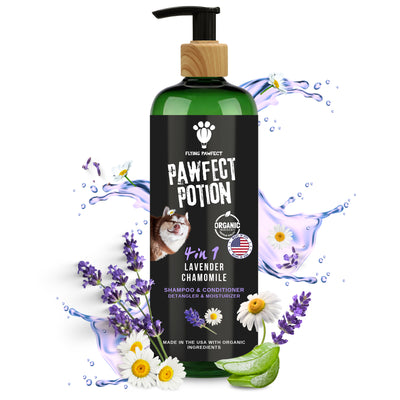
For easier home coat care, start with a brush that helps you work in small sections instead of forcing through tangles. The Flying Pawfect Slicker Brush helps loosen trapped coat before mats become harder to manage, and Flying Pawfect Pawfect Potion 4-in-1 Shampoo supports a cleaner, softer bath routine when used after brushing out tangles first.
Why Understanding Long-Haired Coat Growth Matters
Understanding coat growth matters because many owners misunderstand what grooming can and cannot do. A brush can help maintain a long coat, but it does not make follicles grow hair faster. A shampoo can support cleanliness and softness, but it does not replace nutrition, genetics, skin health, or time.
When you understand how long-haired coats grow, it becomes easier to make good grooming decisions. You know when patience is needed, when maintenance matters, and when a coat change may need professional or veterinary attention.
- It helps you understand why some dogs grow long, flowing coats while others stay short or shed heavily.
- It explains why regrowth after clipping or shaving can take time.
- It helps you tell the difference between normal shedding and possible hair loss concerns.
- It shows why nutrition, skin health, hormones, and season can affect coat appearance.
- It helps you choose grooming tools that maintain the coat without damaging texture or causing discomfort.
Normal shedding is part of coat renewal, but not all hair loss is normal shedding. If you are unsure whether your dog is shedding normally or losing hair in an unusual way, read Shedding vs Hair Loss in Dogs | Complete Guide.
The biggest takeaway is simple: coat growth is biological, but coat quality is supported by daily care. You cannot force healthy growth from the outside, but you can prevent the coat from becoming tangled, dirty, dry-looking, or damaged while it grows.
How Long-Haired Dog Coats Grow
Dog hair grows from follicles in the skin. Each follicle goes through a cycle that includes active growth, transition, rest, and shedding. Not every follicle is in the same phase at the same time, which is why dogs can shed and regrow hair continuously.
The basic idea is easier to understand when you think of coat growth as a cycle, not a straight line. Hair grows, rests, sheds, and is replaced over time.
- Anagen phase: This is the active growth stage, when the hair shaft is growing from the follicle.
- Catagen phase: This is the transition stage, when active growth slows and the follicle changes phase.
- Telogen phase: This is the resting stage, when mature hair is no longer actively growing.
- Shedding: Older hair eventually releases so the coat can renew itself.
- Regrowth: New hair grows as follicles return to active growth in their own timing.
Long-haired dogs often have follicle cycles that allow the coat to stay in a growing or length-retaining pattern for longer than short-coated breeds. That is why some dogs need regular trimming while others mostly shed and maintain a shorter natural coat length.
Genetics also matters. Coat length, curl, furnishings, undercoat density, texture, and shedding tendency are inherited traits. This is why a Maltese, Afghan Hound, Shih Tzu, Yorkshire Terrier, Poodle, Collie, Golden Retriever, or Doodle-style mix can have very different coat behavior even though all may be described as long-haired.
What Makes a Long-Haired Coat Grow Well
A long-haired coat grows best when the dog’s follicles, skin, nutrition, and overall health are supporting normal hair production. Grooming helps protect that coat, but healthy growth begins inside the body.
The important point is that no brush, shampoo, conditioner, or supplement should be treated as a guaranteed growth solution. Coat growth depends on several factors working together.
- Genetics: A dog’s inherited coat type determines the basic length, texture, density, curl, and shedding pattern.
- Hair follicle cycles: Hair grows according to the follicle’s growth, transition, rest, and shedding rhythm.
- Nutrition: A balanced diet supports normal skin and coat condition from the inside.
- Hormones: Hormonal changes can influence coat growth, shedding, texture, and hair retention.
- Season: Some coats change with daylight, temperature, and seasonal shedding patterns.
- Skin health: Hair grows from the skin, so irritation, infection, parasites, allergies, or inflammation can affect coat appearance.
- Grooming routine: Brushing, comb checking, bathing, drying, and professional grooming protect the coat that is already growing.
If your dog’s coat suddenly becomes patchy, thin, brittle, greasy, smelly, itchy, red, flaky, or painful, grooming alone is not the answer. Those signs should be discussed with a veterinarian because they may involve skin health, nutrition, hormones, parasites, allergies, or another underlying issue.
For healthy long-haired dogs, your role is to support the coat as it grows. That means keeping the hair clean, loose, dry, brushed through, and free from mats that pull on the skin.
Recommended Tools

Flying Pawfect Slicker Brush
The Flying Pawfect Slicker Brush is the main tool for maintaining long-haired coats as they grow. It does not make hair grow faster, but it helps protect the growing coat by loosening trapped hair, separating sections, and reducing the chance that small tangles become tight mats.
This matters because a long coat can look like it is growing well while problems are building underneath. Loose hair, friction, moisture, and missed brushing can create clumps that make the coat feel rough, uneven, or difficult to manage.
The Flying Pawfect Slicker Brush is especially helpful for long, fluffy, wavy, curly, cottony, feathered, dense, and mat-prone coats. These coat types often trap loose hair instead of letting it fall away easily.
Use the brush in small sections. The goal is to open and separate the coat gently, not scrape the skin or drag through resistance from root to tip.
During growth phases, especially after a haircut or seasonal shed, the coat can pass through awkward stages. It may be too short to style fully but long enough to start catching in high-friction areas. A slicker brush helps manage this stage before clumps become mats.
The brush also fits into bath preparation. Brush before bathing to remove loose coat and light tangles, then brush again after the coat is fully dry to restore separation before the final comb check.
This tool helps prevent one of the biggest coat-growth mistakes: assuming that leaving the coat alone will help it grow better. Long hair still needs maintenance while it grows, especially around ears, underarms, belly, legs, paws, tail base, collar line, and harness zones.
Tool quality matters because long-haired coat care is repeated often. A brush that bends, skips, scratches, pulls, or forces you to press harder can make your dog resist grooming and can make you less consistent with maintenance.
Used correctly, the Flying Pawfect Slicker Brush supports coat separation, mat prevention, bath preparation, post-bath brushing, and regular home maintenance while your dog’s coat grows naturally.
- Best for: Long-haired dogs, growing coats, fluffy coats, curly coats, wavy coats, cottony coats, feathered coats, light tangles, and mat prevention.
- Why it works: It helps separate the coat in small sections so loose hair and early tangles can be loosened before they tighten.
- Context: Use as a maintenance tool before bathing, after drying, during coat grow-out, and before a final comb check.

Flying Pawfect Pawfect Potion 4-in-1 Shampoo, Conditioner, Detangler & Moisturizer
Flying Pawfect Pawfect Potion is a 4-in-1 dog shampoo, conditioner, detangler, and moisturizer designed to support a cleaner, softer, easier-to-manage coat. It is useful for long-haired dog coat care because coat growth is easier to maintain when the hair is clean, soft, properly rinsed, and fully dried.
The Lavender Chamomile formula includes Aloe Vera and Coconut Oil, two ingredients commonly used in gentle coat-care products to support softness and moisture. It also contains organic ingredients and plant-derived cleansers.
The formula is pH balanced for dogs and made in the USA with organic ingredients. It contains no dyes, no SLS, no parabens, no phthalates, and no alcohol.
Pawfect Potion helps clean, condition, detangle, and moisturize the coat as part of a complete grooming routine. For long-haired dogs, this kind of support can help reduce brushing friction after a proper bath.
It is important to be realistic about what shampoo can do. Shampoo does not make follicles grow hair faster, and it does not replace nutrition, veterinary care, brushing, comb checking, drying, or professional grooming.
Its value is routine support. A clean, conditioned, properly dried coat is usually easier to brush and maintain than a dirty, dry-looking, product-heavy, or tangled coat.
Use it in the correct order. Brush first, comb-check the coat, bathe gently, rinse thoroughly, dry fully, and then finish with a brush-through and comb check.
Proper rinsing matters because long coats can hold product in dense or hidden areas. Pay extra attention to ears, underarms, chest, belly, legs, paws, tail base, and thick coat sections.
Used correctly, Flying Pawfect Pawfect Potion supports a cleaner, softer, healthier-looking coat that is easier to maintain while your dog’s long hair grows naturally.
- Best for: Long-haired dogs that need a gentle bath routine, cleaner coat feel, softness, detangling support, moisture support, and easier post-bath brushing.
- Why it works: The 4-in-1 formula helps clean, condition, detangle, and moisturize while supporting a soft, healthy-looking coat.
- Context: Use after brushing out tangles first, then rinse well, dry fully, and finish with a slicker brush and comb check.

Stainless Steel Dog Comb
A stainless steel dog comb is the checking tool in a long-haired coat routine. It helps you confirm whether the coat is truly brushed through after using a slicker brush.
This matters during coat growth because longer hair can hide small tangles under the surface. A dog may look fluffy while the lower coat is beginning to catch.
Use the comb after slicker brushing, not before. Starting with a comb on tangled long hair can pull and make grooming uncomfortable.
Comb-check high-friction areas such as behind the ears, underarms, belly, legs, paws, chest, tail base, collar line, and harness zones. These areas often tangle first as the coat grows longer.
If the comb glides through after brushing, that section is likely clear. If it catches repeatedly, return to the brush and work in smaller sections.
The comb is also helpful after baths and drying. Once the coat is fully dry, a comb check confirms that damp hair did not clump or tighten while drying.
- Best for: Checking hidden tangles, confirming brushed sections, and maintaining long-haired coats during growth stages.
- Why it works: It reveals resistance that may stay hidden under a smooth, fluffy, or brushed-looking coat.
- Context: Use after slicker brushing and after drying. If the comb catches, do not force it through.
Step-by-Step Guide: Supporting a Long-Haired Coat as It Grows
Supporting coat growth is not about forcing faster hair growth. It is about protecting the coat that is already growing and keeping the skin and hair in a condition that can be maintained comfortably.
This routine helps you care for long-haired coats during normal growth, seasonal changes, and regrowth after a trim.
- Understand your dog’s coat type: A silky coat, curly coat, double coat, cottony coat, and feathered coat all grow and tangle differently.
- Feed a complete and balanced diet: Coat quality depends partly on nutrition, so ask your veterinarian if your dog’s coat suddenly looks dull, brittle, or thin.
- Brush in small sections: Use light pressure and short strokes so the coat opens without pulling.
- Comb-check after brushing: Make sure the coat is clear below the surface, especially in high-friction areas.
- Brush before bathing: Remove loose hair and light tangles before water touches the coat.
- Use dog-safe shampoo when needed: Clean and condition the coat without relying on shampoo as a growth or mat-removal shortcut.
- Rinse thoroughly: Product left behind can make long hair feel heavy, sticky, or harder to brush.
- Dry fully: Damp long hair can clump as it dries, especially around ears, underarms, belly, legs, paws, and tail base.
- Track changes: Watch for patchiness, thinning, redness, odor, sores, flakes, discomfort, or sudden texture change.
- Use professional grooming wisely: A groomer can help keep the coat length realistic while it grows.
If your dog has been clipped short, regrowth can feel slow and uneven while different areas return at different speeds. For a focused grow-out guide, read How Long for a Doodle Coat to Regrow After Shaving?.
Prevention Tips for Healthy-Looking Long Coat Growth
Prevention is important because long hair becomes harder to protect once mats form. A coat that grows into knots will not look fuller or healthier. It will become harder to brush and less comfortable for the dog.
Use these habits to protect long-haired coats as they grow.
- Brush several times per week, or daily for coats that tangle quickly.
- Check ears, underarms, belly, legs, paws, chest, tail base, collar line, and harness zones often.
- Use a comb after brushing to confirm the coat is clear below the surface.
- Avoid bathing over tangles because water can make hidden knots tighter.
- Dry fully after baths, rain, swimming, wet grass, or muddy walks.
- Keep collars, harnesses, sweaters, and jackets from rubbing the same long-haired areas all day.
- Use professional grooming before the coat becomes packed, painful, or hard to separate.
- Ask your veterinarian about sudden hair loss, patchiness, itching, odor, sores, or texture changes.
Tool choice should match the coat you are maintaining, not just the length you want. For a full tool-selection breakdown, read Which Brush Is Best for My Dog’s Coat?.
The best long-haired coat routine respects biology. You support the coat by keeping it clean, loose, and comfortable while the follicles do their natural work.
Common Mistakes
Most mistakes happen when owners think of coat growth as something they can speed up from the outside. In reality, the best grooming routine protects the hair that is already growing and helps prevent avoidable breakage, tangles, and discomfort.
Avoid these common mistakes when caring for long-haired dog coats.
- Expecting shampoo to make hair grow faster: Shampoo supports coat cleanliness and softness, but it does not change follicle biology.
- Skipping brushing during grow-out: Hair can still mat while it is growing back.
- Brushing only the surface: The coat may look fluffy while lower tangles are forming closer to the skin.
- Bathing before brushing: Water can tighten existing tangles and make them harder to remove later.
- Letting the coat stay damp: Damp long hair can clump as it dries, especially in hidden areas.
- Using the wrong tool: A tool that is too harsh, too weak, or poorly matched to the coat can make grooming less effective.
- Ignoring sudden coat changes: Patchy loss, odor, redness, pain, or major texture changes should not be treated as normal growth.
- Keeping an unrealistic coat length: A long coat is only kind if it can be kept clean, loose, dry, and comfortable.
Healthy-looking coat growth takes time. Good grooming protects the process rather than trying to rush it.
FAQs
What makes long-haired dog coats grow?
Long-haired dog coats grow because hair follicles in the skin produce hair according to genetic programming and growth cycles. Nutrition, hormones, season, skin health, and overall health can also affect coat appearance and normal growth.
Can grooming make a dog’s hair grow faster?
Grooming does not make follicles grow hair faster. It helps maintain the coat that is already growing by removing loose hair, preventing mats, supporting cleanliness, and reducing tangles.
Why do some dogs have hair that keeps growing?
Some breeds and coat types have follicle cycles that allow hair to remain in a growing or length-retaining pattern longer. That is why dogs like Poodles, Shih Tzus, Maltese, and many Doodle-style mixes often need regular trimming.
Why does my dog’s coat grow back unevenly after shaving?
Different follicles may be in different growth phases at the same time, so regrowth can look uneven. Coat type, season, age, health, nutrition, hormones, and how short the coat was clipped can all affect the grow-out stage.
Does shampoo help long-haired dog coat growth?
A good dog shampoo can support a cleaner, softer, easier-to-brush coat, but it does not directly make hair grow faster. Shampoo should be used as part of a proper brush, wash, rinse, dry, and comb-check routine.
When should I worry about coat growth or hair loss?
Contact your veterinarian if you notice bald patches, sudden thinning, sores, redness, odor, flakes, pain, intense itching, or major texture changes. Those signs may involve skin health or another issue that grooming alone cannot fix.
Final Thoughts
The science behind long-haired dog coats comes down to follicles, genetics, growth cycles, nutrition, hormones, season, skin health, and time. Grooming supports the coat, but it does not override biology.
The best way to help a long-haired dog’s coat look healthy is to protect what is already growing. Brush in small sections, check with a comb, wash only after tangles are removed, rinse thoroughly, dry fully, and keep the coat length realistic.
With the Flying Pawfect Slicker Brush, Flying Pawfect Pawfect Potion 4-in-1 Shampoo, and a simple comb-check routine, your dog’s coat can stay cleaner, softer, more comfortable, and easier to maintain while it grows naturally.
![[CL] Flying Pawfect coral large flat slicker brush for dogs](http://flyingpawfect.com/cdn/shop/files/CoralLarge2026.jpg?v=1783693245&width=400)
![[BL] Flying Pawfect baby blue large curved slicker brush for doodles and long haired dogs](http://flyingpawfect.com/cdn/shop/files/CBL_HERO_26_05_819be2a4-36dd-43dc-bda3-1730fa9e5818.jpg?v=1784475444&width=400)