

 Seasonal coat care for long-haired dogs changes throughout the year. The same coat that feels easy to manage in mild weather can become harder to maintain during summer humidity, swimming, rainy walks, winter sweaters, dry indoor air, and cold-weather clothing.
Long-haired dogs need a routine that adjusts with the season because their coats trap loose hair, moisture, dirt, debris, and friction more easily than short coats. Summer and winter create different problems, but both seasons can lead to tangles, clumps, mats, dry-looking coat, and grooming stress if the routine does not change.
Summer coat care is usually about moisture, heat, swimming, grass, outdoor play, and drying. Winter coat care is usually about sweaters, coats, static, damp weather, indoor dryness, and friction from clothing or bedding.
This guide explains seasonal coat care for long-haired dogs, including summer and winter grooming tips, why seasonal matting happens, what tools help, how to adjust bath routines, and how to prevent common mistakes before they make the coat uncomfortable.
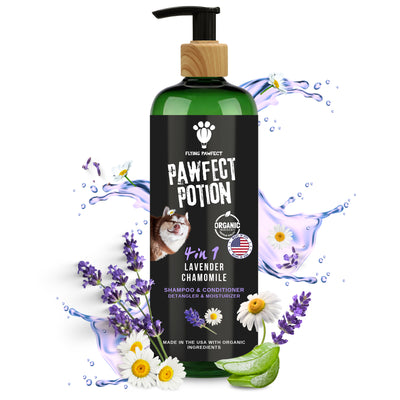
For easier home coat care, start with a brush that helps you work in small sections instead of forcing through tangles. The Flying Pawfect Slicker Brush helps loosen trapped coat before mats become harder to manage, and Flying Pawfect Pawfect Potion 4-in-1 Shampoo supports a cleaner, softer bath routine when used after brushing out tangles first.
Why Seasonal Coat Care Matters for Long-Haired Dogs
Seasonal coat care matters because long-haired coats react strongly to weather. Moisture, friction, temperature changes, shedding cycles, clothing, and activity level can all change how quickly the coat tangles.
A routine that works in spring may not be enough in summer. A routine that works in summer may not protect the coat once winter clothing, damp walks, and indoor dryness become part of daily life.
- Summer moisture can make small tangles tighten after swimming, rain, wet grass, or humidity.
- Winter sweaters and coats can rub long hair together under the arms, chest, belly, and collar area.
- Dry indoor air can make some coats feel rough, static-prone, or harder to separate.
- Seasonal shedding can leave loose hair trapped inside long, fluffy, or double coats.
- Bathing and drying mistakes can make mats worse in both hot and cold weather.
The goal is not to over-groom your dog. The goal is to notice what the season is doing to the coat and adjust before tangles become tight mats.
How Seasonal Coat Problems Happen
Seasonal coat problems usually happen when the coat is exposed to moisture, friction, or dryness without enough brushing and checking. Long hair bends, clings, rubs, and traps loose coat differently depending on the weather.
In summer, the biggest issue is often water. A dog may swim, walk through wet grass, play in sprinklers, roll in sand, or come home damp after a humid walk. For a deeper look at this problem, read Why Dogs Get Mats After Swimming or Wet Grass.
- Summer humidity: Damp air can make long hair cling together and feel heavier.
- Swimming: Water makes the coat heavier, and movement can rub loose hair into tangles.
- Wet grass: The belly, chest, legs, paws, and underarms often get damp first.
- Winter clothing: Sweaters, coats, and jackets compress long hair and create friction.
- Dry indoor air: Coats can feel rougher, more static-prone, or harder to brush smoothly.
- Incomplete drying: Damp hair can clump as it dries, especially in hidden areas.
The seasons do not create mats by themselves. Mats usually happen when loose hair, friction, moisture, and missed brushing combine over time.
What Seasonal Coat Care Involves
Seasonal coat care involves adjusting your grooming routine instead of using the same routine all year. Long-haired dogs still need brushing, comb checking, bathing, drying, and professional grooming, but the focus changes by season.
Summer routines should focus on water, drying, outdoor debris, and coat length. Winter routines should focus on friction from clothing, dryness, static, damp walks, and keeping the coat from packing under sweaters or jackets.
- Brush and comb-check before swimming, bathing, or long outdoor play when possible.
- Dry the coat fully after rain, swimming, wet grass, snow, or muddy walks.
- Check high-friction areas more often during winter clothing season.
- Use a dog-safe shampoo that supports a cleaner, softer, easier-to-brush coat.
- Adjust coat length if seasonal grooming becomes too difficult to maintain.
- Schedule professional grooming before the coat becomes packed, tight, or painful.
The best seasonal routine is practical. It should protect the coat while still fitting your dog’s lifestyle, climate, and activity level.
Recommended Tools

Flying Pawfect Slicker Brush
The Flying Pawfect Slicker Brush is the main tool for seasonal coat care because it helps separate long hair before seasonal moisture, friction, and loose coat turn small tangles into tighter mats.
In summer, the brush helps prepare the coat before baths, swimming, rainy walks, and wet grass exposure. A coat that is already loosened and checked is less likely to tighten when it gets wet.
In winter, the brush helps open areas compressed by sweaters, coats, jackets, bedding, and harnesses. This is especially important under the front legs, across the chest, around the belly, near the collar line, and at the tail base.
The Flying Pawfect Slicker Brush is especially useful for long, fluffy, wavy, curly, cottony, feathered, dense, and mat-prone coats. These coat types often trap loose hair instead of releasing it naturally.
Use it in small sections rather than brushing quickly over the surface. The goal is to separate the coat gently, not scrape the skin or force through resistance.
After brushing each section, follow with a stainless steel comb to confirm the coat is truly clear. This matters because seasonal mats often begin under a coat that still looks fluffy on top.
The brush also helps during bath routines. Use it before bathing to loosen trapped coat and light tangles, then use it again after the coat is fully dry to restore separation.
Tool quality matters because seasonal grooming is repetitive. A brush that bends, skips, scratches, pulls, or forces you to press harder can make your dog resist brushing and make seasonal maintenance harder to keep up with.
Used correctly, the Flying Pawfect Slicker Brush supports summer moisture control, winter friction management, mat prevention, bath preparation, post-bath brushing, and regular coat maintenance between professional grooming appointments.
- Best for: Long-haired dogs, fluffy coats, curly coats, wavy coats, cottony coats, seasonal mat prevention, summer drying routines, and winter clothing friction zones.
- Why it works: It helps separate the coat in small sections so loose hair and early tangles can be loosened before moisture or friction tightens them.
- Context: Use before bathing, after drying, after sweater or coat wear, after wet outdoor activity, and before a final comb check.

Flying Pawfect Pawfect Potion 4-in-1 Shampoo, Conditioner, Detangler & Moisturizer
Flying Pawfect Pawfect Potion is a 4-in-1 dog shampoo, conditioner, detangler, and moisturizer designed to support a cleaner, softer, easier-to-manage coat. It is useful in seasonal coat care because summer and winter both create bath and brushing challenges.
The Lavender Chamomile formula includes Aloe Vera and Coconut Oil, two ingredients commonly used in gentle coat-care products to support softness and moisture. It also contains organic ingredients and plant-derived cleansers.
The formula is pH balanced for dogs and made in the USA with organic ingredients. It contains no dyes, no SLS, no parabens, no phthalates, and no alcohol.
In summer, Pawfect Potion can help clean the coat after outdoor play, dirt, sweat, sand, wet grass, or swimming-related buildup. It supports a softer, cleaner coat when used after brushing out tangles first.
In winter, the conditioning and moisturizing support can help with coats that feel dry-looking, rough, static-prone, or harder to separate after indoor heating and clothing friction.
The detangling and conditioning support can help reduce brushing friction after a proper bath, especially when the coat has been brushed before bathing, rinsed thoroughly, and dried completely.
Pawfect Potion should not be used as a shortcut for mats. Shampoo can support cleanliness, softness, moisture, and easier brushing, but mats are prevented through brushing, comb checking, complete drying, and consistent grooming.
Use it in the correct order. Brush first, comb-check the coat, bathe gently, rinse well, dry fully, and then finish with a brush-through and comb check.
Proper rinsing matters in every season. Long coats can hold product around the ears, underarms, chest, belly, legs, paws, tail base, and thick coat sections if the rinse is rushed.
Used correctly, Flying Pawfect Pawfect Potion supports a cleaner, softer, healthier-looking coat that is easier to manage through both summer and winter grooming challenges.
- Best for: Long-haired dogs that need a gentle bath routine, cleaner coat feel, softness, detangling support, moisture support, and easier post-bath brushing.
- Why it works: The 4-in-1 formula helps clean, condition, detangle, and moisturize while supporting a soft, healthy-looking coat.
- Context: Use after brushing out tangles first, then rinse well, dry fully, and finish with a slicker brush and comb check.
High-Absorbency Dog Towel or Low-Heat Dog Dryer
A good drying tool is one of the most useful seasonal coat-care supports for long-haired dogs. Summer and winter both create moisture problems, even though they happen in different ways.
In summer, dogs may get wet from swimming, sprinklers, wet grass, baths, or humid outdoor play. In winter, the coat may get damp from rain, snow, puddles, wet jackets, or cold-weather walks.
A high-absorbency towel helps remove water without rough circular rubbing. Blotting is safer for long hair because rubbing can twist strands together and create more friction.
A dog-safe dryer on an appropriate low-heat or cool setting can help dry dense, fluffy, wavy, curly, or double coats more completely. Always keep the dog comfortable and avoid heat that feels too warm.
Drying should focus on the areas that stay damp longest: ears, underarms, chest, belly, legs, paws, tail base, and thick coat sections.
Once the coat is fully dry, finish with a slicker brush and comb check. This confirms that the coat did not clump or tighten while drying.
- Best for: Long-haired dogs after swimming, rain, snow, wet grass, baths, muddy walks, and seasonal moisture exposure.
- Why it works: Proper drying helps prevent damp coat from clumping, flattening, or tightening into tangles.
- Context: Blot first, dry fully, then brush and comb-check once the coat is ready.
Step-by-Step Guide: Summer and Winter Coat Care Routine
A seasonal routine should not be complicated. The key is knowing what your dog’s coat needs most during each season and adjusting your grooming order around that.
Summer is usually about moisture, outdoor debris, and drying. Winter is usually about clothing friction, damp walks, static, and hidden mats under compressed coat.
- Start with a hand check: Feel for clumps, damp areas, burrs, sand, debris, tight knots, and rough coat texture.
- Brush before water exposure: Before baths or swimming, loosen the coat so water does not tighten hidden tangles.
- Comb-check high-risk areas: Check ears, underarms, belly, legs, paws, chest, tail base, collar line, and harness zones.
- Dry after summer water exposure: After swimming, wet grass, rain, or humidity-heavy walks, dry the coat fully before it clumps.
- Brush after winter clothing: After sweaters, coats, jackets, or fleece layers come off, check the areas where fabric rubbed the coat.
- Wash when needed: Use a dog-safe shampoo when the coat is dirty, smelly, dry-looking, or difficult to manage.
- Rinse thoroughly: Long coats can hold product in dense or hidden areas, especially during heavier winter baths.
- Finish with brush and comb: Once the coat is fully dry, brush lightly and comb-check again.
Winter clothing needs special attention because fabric can compress long hair and create mats under the arms, chest, belly, and collar area. For a focused winter guide, read How to Prevent Mats on Dogs That Wear Sweaters.
Prevention Tips for Summer and Winter
Prevention is the easiest way to keep seasonal coat care under control. Once mats become tight, flat, painful, or close to the skin, home brushing may no longer be the safest option.
These summer and winter prevention tips help keep long-haired coats cleaner, softer, drier, and easier to maintain.
- Summer tip: Brush and comb-check before swimming, bathing, or long wet outdoor play.
- Summer tip: Dry the belly, chest, legs, paws, underarms, and tail base after wet grass or swimming.
- Summer tip: Rinse out sand, salt, chlorine, mud, or outdoor debris when needed, then dry fully.
- Winter tip: Brush before putting on sweaters, coats, jackets, or rain layers.
- Winter tip: Remove clothing when it is no longer needed so the coat is not compressed all day.
- Winter tip: Check under the front legs, around armholes, across the chest, and under the belly after clothing use.
- All-season tip: Keep coat length realistic for your climate, schedule, and dog’s activity level.
- All-season tip: Book professional grooming before the coat becomes packed, painful, or hard to separate.
Water is one of the biggest triggers for seasonal coat problems in both summer and winter. For a deeper explanation, read Why Water Makes Mats Worse in Dogs (Grooming Guide).
Seasonal prevention works best when it becomes routine. A few minutes after wet walks, swimming, or sweater use can prevent hours of difficult brushing later.
Common Mistakes
Most seasonal grooming mistakes happen because owners treat summer and winter the same. Long-haired dogs often need different support depending on the weather, coat length, and daily routine.
The biggest mistakes usually involve moisture, friction, and skipped checks.
- Letting the coat air dry while tangled: Damp long hair can clump as it dries.
- Bathing before brushing: Water can tighten tangles that were already forming.
- Leaving sweaters on too long: Clothing can compress and rub long hair into mats.
- Ignoring underarms and belly: These areas are exposed to moisture in summer and friction in winter.
- Using heavy products without rinsing well: Long coats can hold shampoo or conditioner residue.
- Skipping the comb check: A coat can look smooth while hidden tangles remain underneath.
- Keeping a coat too long for the season: A beautiful long coat is only kind if it can be kept clean, dry, loose, and comfortable.
- Waiting until the coat is visibly matted: Seasonal problems often start before they are easy to see.
Good seasonal grooming is not about doing more work every day. It is about doing the right small steps at the right time.
FAQs
How should I care for a long-haired dog’s coat in summer?
Summer coat care should focus on brushing before water exposure, drying after swimming or wet grass, checking hidden areas, and keeping the coat clean without overloading it with product. Pay extra attention to the belly, chest, legs, paws, underarms, and tail base.
How should I care for a long-haired dog’s coat in winter?
Winter coat care should focus on friction from sweaters, coats, jackets, and bedding. Brush before clothing, remove clothing when it is no longer needed, dry damp coat fully, and check under the arms, chest, belly, collar line, and harness zones.
Should long-haired dogs be shaved in summer?
Not automatically. Some dogs do better with a practical shorter trim, but coat decisions should depend on breed, coat type, climate, skin exposure, and professional grooming advice. For many dogs, a manageable trim is better than shaving too short.
Why does my dog mat more after swimming?
Swimming makes the coat wet and heavy, while movement rubs hair together. If loose hair or small tangles were already present, they can tighten as the coat dries.
Can dog sweaters cause mats?
Yes. Sweaters and coats can create friction and compression, especially under the front legs, across the chest, under the belly, and around the collar area. Brush before and after clothing use to reduce the risk.
Can shampoo prevent seasonal mats?
No. A good dog shampoo can support a cleaner, softer, easier-to-brush coat, but seasonal mats are prevented through brushing, comb checking, proper drying, realistic coat length, and consistent grooming.
Final Thoughts
Seasonal coat care for long-haired dogs is about adjusting before the coat becomes difficult. Summer brings moisture, swimming, wet grass, humidity, and outdoor debris. Winter brings sweaters, coats, static, damp walks, and friction from clothing.
The best routine is simple: brush in small sections, comb-check hidden areas, wash only after tangles are removed, rinse thoroughly, dry fully, and adjust coat length or professional grooming frequency when the season demands it.
With the Flying Pawfect Slicker Brush, Flying Pawfect Pawfect Potion 4-in-1 Shampoo, and a proper drying routine, your long-haired dog’s coat can stay cleaner, softer, more comfortable, and easier to manage through both summer and winter.
![[CL] Flying Pawfect coral large flat slicker brush for dogs](http://flyingpawfect.com/cdn/shop/files/CoralLarge2026.jpg?v=1783693245&width=400)
![[BL] Flying Pawfect baby blue large curved slicker brush for doodles and long haired dogs](http://flyingpawfect.com/cdn/shop/files/CBL_HERO_26_05_819be2a4-36dd-43dc-bda3-1730fa9e5818.jpg?v=1784475444&width=400)