


How long for a Doodle coat to regrow after shaving depends on the dog’s coat type, age, health, genetics, shave length, nutrition, grooming schedule, and whether the coat was shaved because of matting. Some Doodles start looking fluffy again within a few weeks, but a fuller coat usually takes several months.
As a practical owner-friendly estimate, many Doodles need about 8 to 16 weeks to regain noticeable coat length after a close shave. A fuller teddy-bear look may take 4 to 6 months or longer, especially if the coat was clipped very short or the dog has dense, curly, wool-like, or mixed-texture hair.
It is also normal for the coat to look awkward during the grow-out stage. It may come back unevenly, feel softer or fluffier at first, look patchy in certain spots, or seem different before the full coat texture returns.
If your Doodle was shaved because of mats, the most important goal is not simply waiting for the coat to grow back. The goal is to maintain the new growth properly so the coat does not mat again. The Flying Pawfect Slicker Brush helps separate the coat as it grows, remove trapped hair, and prevent the same matting cycle from returning.
Why This Matters
A shaved Doodle can be emotional for owners. Many people love the fluffy Doodle look, so a close shave-down can feel shocking, especially when it happens because mats were too tight to brush out safely.
But a shave-down is often a comfort reset. If the coat was severely matted, shaving may have been the safest way to remove painful hair and protect the skin.
- A Doodle coat usually grows back gradually, not overnight.
- The first stage may look fuzzy, uneven, or different from the full mature coat.
- Regrowth can mat quickly if brushing does not restart early enough.
- Shaved skin may need extra protection from sun, cold, friction, and irritation.
- The grow-out period is the best time to build a better grooming routine.
If your Doodle was shaved because mats kept forming despite brushing, it helps to understand why that happened before the coat grows back. Read Why Your Doodle Keeps Matting Even When You Brush to understand the common causes.
How the Problem Happens
Doodle coats are often shaved for one of two reasons. Either the owner asked for a short haircut, or the groomer had to shave because the coat was too matted to safely brush out.
When shaving happens because of matting, the grow-out period needs extra care. The new coat can start tangling again as soon as it gets long enough to rub, curl, and trap loose hair.
- Close shave length: The shorter the coat is clipped, the longer it usually takes to look fluffy again.
- Coat texture: Curly, wool-like, dense, fleece, and cottony coats may look different during regrowth than loose wavy coats.
- Matting history: If the coat was shaved because of mats, the same friction zones may mat again during grow-out.
- Skin condition: Irritated, dry, infected, or inflamed skin can affect how healthy the coat looks as it returns.
- Age and health: Puppies, adults, seniors, and dogs with health concerns may show different regrowth timelines.
- Home grooming: If brushing does not restart at the right time, the new coat can tangle before it ever reaches the desired length.
Some Doodles look fluffy again fairly quickly, while others take longer to regain the shape owners expect. The coat may need several grooming cycles before it looks balanced again.
What the Solution Involves
The solution is to treat the shaved coat as a new starting point. Instead of waiting passively for the hair to grow back, use the grow-out period to prevent mats, protect the skin, and build a realistic coat routine.
A good regrowth plan includes gentle skin care, short grooming sessions, regular brushing as the coat returns, and professional trims before the coat becomes unmanageable again.
- Weeks 1 to 2: Focus on skin comfort. Avoid harsh brushing if the skin is irritated after shaving.
- Weeks 3 to 6: Expect soft fuzz and uneven texture. Start gentle brushing if the coat is long enough and the skin looks comfortable.
- Weeks 6 to 12: The coat may start looking fluffier and more Doodle-like. This is when tangles can begin forming again.
- Months 3 to 4: Many Doodles have enough coat to need regular brushing, comb checks, and a maintenance groom.
- Months 4 to 6: A fuller teddy-bear look may begin returning, depending on the dog and haircut length.
- Beyond 6 months: Some coats need longer to fully recover shape, density, or texture, especially after very close shaving or skin problems.
Think of regrowth as a process, not one event. The goal is to guide the coat back without letting it become matted again halfway through.
Recommended Tools
The right tools help you manage the Doodle coat during every stage of regrowth. You do not need to overbrush bare skin, but once the coat starts returning, you need to keep it separated before tangles tighten.
For most Doodles growing out after shaving, the best basic setup includes a quality slicker brush, a stainless steel dog comb, and a gentle dog shampoo for sensitive post-shave coat care.

Flying Pawfect Slicker Brush
The Flying Pawfect Slicker Brush is the main tool to use once your Doodle’s coat is long enough to brush comfortably after shaving. During the first stage, when the skin is very exposed, the priority is skin comfort. But once the coat begins growing back, brushing becomes important again.
This brush helps separate new coat growth before it turns into tangles. That matters because many Doodles are shaved because of mats, and the same coat can mat again if the regrowth is ignored.
The Flying Pawfect Slicker Brush is especially helpful during the fuzzy middle stage, when the coat is no longer short but not yet long enough to look fully styled. This is when owners may assume the coat is still easy, but early tangles can start forming in friction areas.
Use it gently on small sections, especially behind the ears, under the collar, chest, belly, underarms, legs, tail base, and harness zones. These are the areas most likely to mat before the rest of the coat looks problematic.
The brush fits naturally into the regrowth routine because it helps maintain the coat as it returns. Instead of waiting until the coat is long and clumpy, you can start building a low-stress brushing habit early.
It is especially useful for Goldendoodles, Labradoodles, Bernedoodles, Sheepadoodles, Aussiedoodles, Cavapoos, Cockapoos, and Doodles with curly, wavy, fleece, wool, cottony, or mat-prone coats.
The Flying Pawfect Slicker Brush also helps prevent one of the biggest mistakes after shaving: waiting too long to restart grooming. A coat that is allowed to grow untouched can quickly return to the same matting pattern that caused the shave-down.
Tool quality matters because the regrowth stage should feel gentle, not scratchy or stressful. A weak brush may only skim the top, while a rough brush may make your Doodle resist. A better slicker brush helps make the routine more effective, more comfortable, and easier to repeat consistently.
- Best for: Doodle coat regrowth after shaving, early tangle prevention, curly coats, wavy coats, fleece coats, and mat-prone areas.
- Why it works: It helps separate new growth and remove trapped loose hair before tangles tighten.
- Context: Use once the coat is long enough to brush comfortably, then follow with a comb check as the coat gets longer.

Stainless Steel Dog Comb
A stainless steel dog comb is the checking tool during coat regrowth. It helps you know whether the new coat is staying clear underneath or beginning to tangle again.
When the coat is still very short, you may not need a comb yet. But once the coat has enough length to separate with your fingers, a comb becomes useful for checking hidden areas.
After brushing with a slicker brush, gently pass the comb through the same section. If it glides through, the coat is clear. If it catches, the regrowth may already be starting to mat.
The comb is especially useful in the middle grow-out stage because the coat may look soft and fluffy while still catching near the skin.
- Best for: Checking hidden tangles during Doodle coat regrowth and confirming that brushed sections are clear.
- Why it works: It reveals resistance that a visual coat check can miss.
- Context: Use after slicker brushing as the coat grows longer, especially in ears, legs, belly, underarms, and tail base.

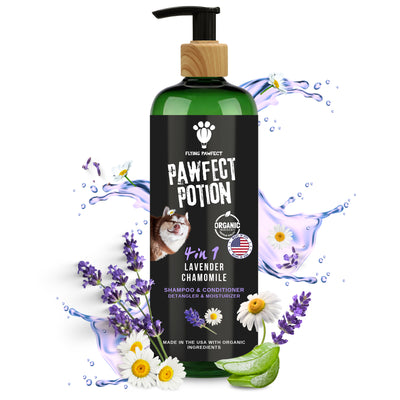
Gentle Dog Shampoo for Sensitive Skin
A gentle dog shampoo can support the regrowth period by keeping the skin and coat clean without over-stripping. After shaving, the skin may be more exposed than usual, so harsh bathing products should be avoided.
This is not a hair-growth shortcut. It simply helps maintain a clean, comfortable coat environment while the fur returns naturally.
Use shampoo only when needed and rinse thoroughly. Product residue can irritate the skin or make the coat feel sticky as it grows back.
If your Doodle has redness, sores, flakes, odor, bald patches, or severe itching after shaving, speak with a veterinarian rather than switching between shampoos repeatedly.
- Best for: Gentle post-shave bathing, sensitive skin support, and clean coat maintenance during regrowth.
- Why it works: A mild shampoo can clean without drying or irritating exposed skin when used properly.
- Context: Use only as needed, rinse well, dry fully, and avoid bathing over tangles once the coat gets longer.
Step-by-Step Guide
Use this routine to manage your Doodle’s coat after shaving. The goal is to help the coat return cleanly while preventing the same matting problems from starting again.
Start gently. A freshly shaved dog may have sensitive skin, especially if mats were tight or close to the skin before the groom.
- Inspect the skin first: Look for redness, irritation, scabs, bumps, flakes, or sore spots after shaving.
- Protect exposed skin: Keep your Doodle comfortable in sun, cold, wind, harnesses, and rough outdoor areas.
- Do not overbrush bare skin: Wait until the coat is long enough to brush without scraping or irritating the skin.
- Start gentle brushing early: Once fuzz returns, use light slicker brush strokes in small sections.
- Add comb checks as length returns: When the coat becomes fluffy enough to hide tangles, use a comb after brushing.
- Focus on friction zones: Ears, collar area, chest, belly, underarms, legs, tail base, and harness zones need extra attention.
- Book a maintenance groom: Do not wait until the coat is fully grown and difficult again.
- Adjust the next haircut length: If the previous long style caused matting, choose a more practical grow-out plan.
As the coat grows back, brushing frequency becomes more important. For a realistic schedule, read How Often Should You Brush a Doodle? (Complete Guide).
Prevention Tips
The best way to handle Doodle coat regrowth after shaving is to prevent new mats before they form. The grow-out stage is easier to manage when you stay ahead of tangles.
Do not wait until the Doodle looks fluffy again to start caring for the coat. By then, hidden tangles may already be forming.
- Ask your groomer why the coat needed shaving so you can fix the root cause.
- Restart brushing once the coat is long enough to brush comfortably.
- Use a slicker brush first and a comb second as the coat gets longer.
- Keep friction zones shorter during the first few grow-out grooms.
- Avoid letting wet coat air dry into clumps once the hair gets longer.
- Book grooming before the coat becomes packed, clumpy, or hard to comb.
- Choose a haircut length that matches your real brushing schedule.
A successful grow-out is not only about patience. It is about building the routine that prevents another shave-down later.
Common Mistakes
Many owners accidentally repeat the same pattern after a shave-down. They wait for the coat to grow back, enjoy the fluffy stage, and only start brushing once the coat is already tangled again.
That is why the regrowth period needs a plan.
- Waiting too long to brush: New coat growth can tangle before it looks long enough to worry about.
- Brushing bare skin too early: Very short post-shave coat should be handled gently to avoid irritation.
- Ignoring friction zones: Mats usually return first around ears, collar, belly, legs, underarms, and tail base.
- Expecting instant teddy-bear fluff: A full Doodle look may take months to return.
- Skipping professional maintenance: The coat may need shaping and checking before it is fully grown.
- Using harsh shampoo: Exposed or sensitive skin should be treated gently.
- Trying to save every new tangle: If tangles become tight again, professional help is safer than forcing the brush.
If new mats return during the grow-out period and brushing becomes uncomfortable, read When You Should Stop Brushing and Call a Groomer.
FAQs
How long does it take for a Doodle coat to regrow after shaving?
Many Doodles show noticeable regrowth within 8 to 16 weeks, but a fuller fluffy coat can take 4 to 6 months or longer. The timeline depends on coat type, shave length, health, age, genetics, and grooming routine.
Will my Doodle’s coat grow back the same after shaving?
Many Doodle coats do grow back well, but the early regrowth may look softer, fuzzier, uneven, or slightly different. Some dogs need several grooming cycles before the coat looks balanced again.
Can I make my Doodle’s coat grow back faster?
You cannot force the hair-growth cycle to move instantly. The best support is a balanced diet, healthy skin, gentle grooming, appropriate bathing, and veterinary care if there is itching, hair loss, irritation, or poor regrowth.
When should I start brushing after my Doodle was shaved?
Start brushing once the coat has enough length to brush without scraping the skin. In the earliest stage, focus on skin comfort, then introduce gentle slicker brush sessions as the coat returns.
Why was my Doodle shaved so short?
Many Doodles are shaved short because mats were too tight, painful, or close to the skin to remove safely. In that situation, shaving may be the kindest option because brushing out severe mats can hurt the dog.
What if my Doodle’s coat is not growing back?
If the coat shows little progress after several months, or if you notice bald patches, itching, redness, odor, flakes, or skin irritation, contact your veterinarian. Slow or abnormal regrowth can sometimes be related to skin or health issues.
Final Thoughts
How long for a Doodle coat to regrow after shaving depends on the dog, the coat, and the reason for the shave. Many Doodles show clear regrowth within a few months, but the full fluffy teddy-bear look may take 4 to 6 months or longer.
The most important thing is to use the grow-out period wisely. Protect the skin early, restart gentle brushing when the coat is ready, use comb checks as length returns, and book maintenance grooms before the coat becomes difficult again.
With the Flying Pawfect Slicker Brush, a stainless steel comb, gentle coat care, and a realistic grooming schedule, you can help your Doodle’s coat grow back cleaner, softer, more manageable, and less likely to end in another shave-down.
![[BL] Flying Pawfect baby blue large curved slicker brush for doodles and long haired dogs](http://flyingpawfect.com/cdn/shop/files/CBL_HERO_26_05_819be2a4-36dd-43dc-bda3-1730fa9e5818.jpg?v=1784475444&width=400)