


Removing mats from a doodle’s coat is only half the job. What you do immediately after dematting is what determines whether the coat recovers or starts matting again within days.
Many dog owners focus heavily on removing mats but overlook the recovery phase. After dematting, the coat is more vulnerable, the skin may be sensitive, and the structure of the coat has been disrupted.
This is exactly why a proper post-dematting care routine is critical. Without it, you can undo all your hard work very quickly.
If your goal is to keep your doodle comfortable, mat-free, and easier to groom long-term, you need a structured routine immediately after dematting.
Why the Coat Needs Work Straight After Dematting
After mats are removed, the coat is not “fixed.” It is actually in a fragile state. Hair fibers may be weakened, and the coat can re-tangle faster than before.
The skin underneath may also be sensitive due to tension from the mats.
- Coat tangles faster after dematting
- Skin may be irritated or sensitive
- Improper care leads to rapid re-matting
If you previously struggled with this, you may also want to review how to brush a doodle coat properly to prevent future issues.
How Mats Come Straight Back After Dematting
After dematting, the coat structure is uneven. Some sections are thinner, others still dense. This imbalance creates new friction points where tangles form faster.
Additionally, if brushing is delayed after dematting, loose hair quickly begins to bind together again.
- Loose hair remains in the coat
- Uneven coat density causes friction
- Delayed grooming leads to re-matting
Many owners experience this after following basic brushing routines that miss deeper layers.
What a Post-Dematting Routine Looks Like
A strong post-dematting routine focuses on stabilizing the coat, protecting the skin, and preventing immediate re-tangling.
This is not complicated, but it must be consistent and intentional.
- Remove loose hair completely
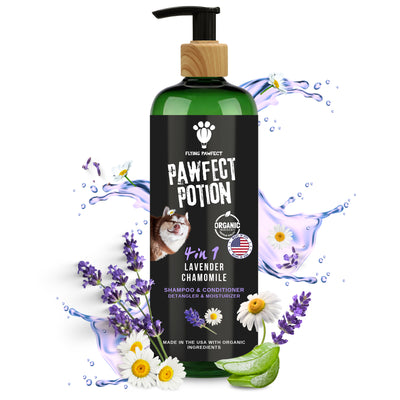
- Hydrate and condition the coat
- Brush properly within 24 hours
Top 5 Tools for Post-Dematting Care

Flying Pawfect Slicker Brush
This is the most critical tool after dematting. It helps reset the coat and remove loose hair before it forms new tangles.
After mats are removed, the coat is uneven and vulnerable. A brush that can reach deep into the coat is essential.
The Flying Pawfect Slicker Brush allows you to re-establish structure by separating hair properly.
It also helps maintain smooth coat layers moving forward.
- Best for: Post-dematting brushing
- Why it works: Deep penetration
- Context: Essential recovery tool

Leave-In Conditioner
Helps restore moisture after dematting.
Reduces friction in the coat.
Makes brushing easier.
Supports coat recovery.
- Best for: Hydration
- Why it works: Reduces friction
- Context: Recovery support

Dematting Comb
Useful for any remaining tight spots.
Targets small stubborn tangles.
Helps refine grooming results.
Use gently.
- Best for: Spot fixes
- Why it works: Precision tool
- Context: Occasional use
Follow this process immediately after removing mats.
This prevents the coat from reverting.
- Check coat thoroughly
- Apply conditioner
- Brush in layers
- Use comb to confirm
- Repeat daily for first few days
Keeping the Coat Open in the Weeks After Dematting
Preventing re-matting is the goal.
Stay consistent.
- Brush daily for a few days after dematting
- Focus on friction areas
- Use proper tools
Post-Dematting Mistakes That Undo the Work
Avoid these errors.
They cause mats to return quickly.
- Waiting too long to brush again
- Skipping comb check
- Using weak tools
FAQs
How soon should I brush after dematting?
Within about twenty four hours, and then every day for the first week. A freshly dematted coat is uneven and loose, so the hair that was trapped inside the mat is now free to tangle again. Short daily sessions are what stop that happening.
Is conditioner necessary?
Yes, because dematting strips the coat of its natural slip and leaves the hair rough. A conditioner puts that slip back, so the next brush glides instead of dragging. It also makes the skin underneath far more comfortable.
Can mats come back quickly?
Yes, and the same spot is usually the first to go again. The hair there is shorter and broken, so it knits together faster than the coat around it. Marking those spots and checking them daily is the whole job.
What tool is most important?
A slicker brush resets the coat, and a comb proves the work is done. Use the brush in layers from the skin outward, then run the comb through to find anything missed. If the comb catches, go back to the brush rather than forcing it.
Is the skin sore after dematting?
Often, yes, and it is worth checking before you brush again. Look for pink patches, flaking or heat, all of which mean the area needs a day or two before any tool touches it. If the skin is broken, stop brushing and call a groomer.
How often should I bathe a coat that has just been dematted?
Wait until the coat brushes out cleanly before bathing it. Water tightens anything that is still tangled, so a bath too early can rebuild the mats you just removed. Brush first, bathe second, then brush again once the coat is fully dry.
Does the brush need cleaning between sessions?
Yes, and more often than usual after dematting, because the pins fill with broken coat. A loaded brush stops separating hair and starts dragging it instead. There is a method for it in how to clean a slicker brush.
Final Thoughts
Post-dematting care is what determines long-term success.
Stay consistent, use the right tools, and your doodle’s coat will remain healthy and mat-free.
![[BL] Flying Pawfect baby blue large curved slicker brush for doodles and long haired dogs](http://flyingpawfect.com/cdn/shop/files/CBL_HERO_26_05_819be2a4-36dd-43dc-bda3-1730fa9e5818.jpg?v=1784475444&width=400)