


DIY coat care for long-haired dogs is about more than keeping the coat pretty. It is about keeping the hair clean, loose, dry, comfortable, and easy to manage between professional grooming appointments.
Long-haired dogs can have silky, fluffy, curly, wavy, cottony, feathered, dense, or double coats. Each coat type behaves differently, but they all need a routine that prevents tangles before they become tight mats.
The biggest mistake owners make is waiting until the coat looks messy. By that point, hidden tangles may already be forming behind the ears, under the arms, around the belly, near the collar, between the legs, and at the tail base.
This guide explains the tools and techniques that make DIY coat care easier for long-haired dogs. You will learn what to use, when to use it, how to brush safely, how to bathe without making tangles worse, and how to know when the coat is truly brushed through.
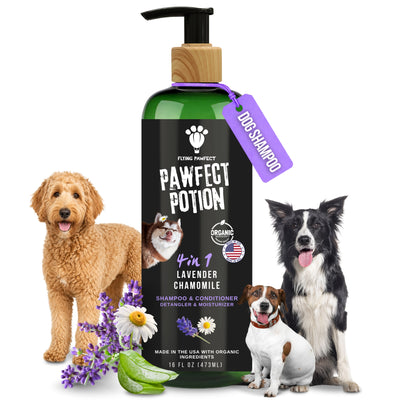
For easier home coat care, start with a brush that helps you work in small sections instead of forcing through tangles. The Flying Pawfect Slicker Brush helps loosen trapped coat before mats become harder to manage, and Flying Pawfect Pawfect Potion 4-in-1 Shampoo supports a cleaner, softer bath routine when used after brushing out tangles first.
Why DIY Coat Care Matters for Long-Haired Dogs
DIY coat care matters because long-haired coat problems build slowly. A small tangle may not look serious today, but loose hair, friction, moisture, and missed brushing can turn that small tangle into a firm mat.
Professional grooming is still important for many long-haired dogs, but home care is what keeps the coat manageable between appointments. Groomers can reset the coat, but owners usually handle the daily and weekly maintenance.
- It helps prevent small tangles from becoming tight mats.
- It keeps high-friction areas more comfortable between grooming appointments.
- It makes bath day easier because the coat is prepared first.
- It helps your dog become calmer with regular handling.
- It gives you a chance to notice coat changes before they become bigger problems.
Good DIY grooming also makes professional appointments easier. When the coat is not packed, tangled, or painful, the groomer has more options and the dog is usually more comfortable.
How Long-Haired Coat Problems Happen
Long-haired coat problems usually happen when loose hair, friction, moisture, and surface brushing combine. The coat may look smooth from the outside while deeper layers are starting to tangle.
This is especially common in dogs with long, curly, wavy, fluffy, cottony, dense, or double coats. These coats can trap loose hair instead of letting it fall out naturally.
- Loose hair stays inside the coat: Trapped hair wraps around nearby strands and creates small tangles.
- Friction tightens the hair: Collars, harnesses, sweaters, bedding, walking, running, and sitting can rub long hair together.
- Moisture makes tangles worse: Baths, rain, swimming, wet grass, and incomplete drying can make hidden knots tighter.
- Surface brushing creates false confidence: A brush may smooth the top while leaving lower tangles untouched.
- Skipped areas mat faster: Behind the ears, underarms, belly, legs, feet, chest, tail base, collar line, and harness zones need extra attention.
Tool choice matters here. A brush that only smooths the outside may make the dog look groomed without solving the real problem underneath. For a broader tool-selection guide, read Which Brush Is Best for My Dog’s Coat?.
What DIY Coat Care Involves
DIY coat care for long-haired dogs works best as a system. You are not trying to do one huge grooming session when the coat is already tangled. You are using small, regular steps to keep the coat from reaching that point.
The most reliable routine is brush, check, wash when needed, dry fully, and repeat consistently.
- Feel the coat with your hands before brushing so you can find clumps or tight spots.
- Use a slicker brush in small sections to loosen trapped hair and light tangles.
- Use a stainless steel comb after brushing to confirm the section is truly clear.
- Brush before bathing so water does not tighten hidden tangles.
- Use a gentle dog shampoo when the coat needs washing, then rinse thoroughly.
- Dry the coat fully before doing the final brush-through and comb check.
- Keep the coat length realistic for your schedule, weather, and dog’s activity level.
The right routine should feel manageable. If your dog needs more brushing than you can realistically do, a shorter trim may be kinder than keeping a long coat that mats quickly.
Recommended Tools

Flying Pawfect Slicker Brush
The Flying Pawfect Slicker Brush is the main tool for DIY coat care for many long-haired dogs because it helps separate the coat in small, controlled sections. This matters because long coats often hide loose hair and early tangles under the surface.
A quality slicker brush is not meant to scrape the skin or force through mats. It is meant to help loosen trapped hair, open the coat, and make it easier to manage before tangles become tight.
The Flying Pawfect Slicker Brush is especially useful for long, fluffy, curly, wavy, cottony, feathered, and mat-prone coats. These coat types often need more than a quick brush over the back.
Use it before the comb check. Brush one small section at a time, then follow with a stainless steel comb to confirm that the coat is clear from the outer layer down toward the base.
This tool order helps prevent one of the biggest DIY grooming mistakes: trying to use a comb as the main detangling tool. A comb can pull if the coat has not been loosened first.
The brush also fits into bath preparation. Brushing before bathing helps remove loose coat and light tangles before water has a chance to tighten them. After drying, the brush helps restore separation before the final comb check.
Technique matters as much as the tool. Use light pressure, short strokes, and small sections. Pay attention to your dog’s body language, especially around ears, underarms, legs, belly, tail base, collar line, and harness areas.
Tool quality matters because DIY coat care is repeated often. If a brush bends, skips, scratches, or pulls, your dog may resist grooming and you may avoid brushing until the coat is already harder to handle.
Used correctly, the Flying Pawfect Slicker Brush helps make long-haired dog grooming more predictable. It supports coat separation, mat prevention, bath preparation, comb checking, and regular home maintenance between professional grooming appointments.
- Best for: Long-haired dogs, fluffy coats, curly coats, wavy coats, cottony coats, feathered coats, mat-prone breeds, and regular DIY grooming.
- Why it works: It helps separate coat in small sections so loose hair and early tangles can be loosened before they become tight mats.
- Context: Use as the main brush before comb checking, before bathing, after drying, and between professional grooming appointments.

Flying Pawfect Pawfect Potion 4-in-1 Shampoo, Conditioner, Detangler & Moisturizer
Flying Pawfect Pawfect Potion is a 4-in-1 dog shampoo, conditioner, detangler, and moisturizer designed to support a cleaner, softer, easier-to-manage coat. It is especially useful in DIY coat care routines where brushing, bathing, drying, and comb checking all work together.
The Lavender Chamomile formula includes Aloe Vera and Coconut Oil, two ingredients commonly used in gentle coat-care products to support softness and moisture. It also contains organic ingredients and plant-derived cleansers, making it a strong fit for owners who want a clean and gentle formula for regular dog bathing.
This shampoo works best after the coat has been brushed and comb-checked. Bathing over tangles can make them tighter, so the coat should be prepared before washing.
The detangling and conditioning support can help reduce brushing friction after a proper bath, especially on long coats that become dry, clumpy, or difficult to separate. It should not be used as a replacement for brushing or as a way to force through mats.
For long-haired dogs, the biggest benefit is routine support. A clean, moisturized, properly dried coat is easier to maintain than a dirty, dry, damp, or product-heavy coat that catches when brushed.
Proper rinsing matters because long coats can hold shampoo in dense areas, feathering, curls, belly hair, leg hair, and tail hair. Product left behind can make the coat feel heavy, sticky, or harder to separate.
Drying matters just as much as washing. Long hair that stays damp can clump as it dries, especially behind the ears, underarms, belly, legs, feet, tail base, and harness areas.
- Best for: Long-haired dogs that need a gentle bath routine, softer coat feel, detangling support, moisture support, and easier post-bath brushing.
- Why it works: The 4-in-1 formula helps clean, condition, detangle, and moisturize while supporting a soft, healthy-looking coat.
- Context: Use after brushing out tangles first, then rinse well, dry fully, and finish with a slicker brush and comb check.

Stainless Steel Dog Comb
A stainless steel dog comb is the checking tool in a DIY grooming routine. The slicker brush loosens and separates the coat, but the comb confirms whether the coat is actually clear.
This matters because long-haired dogs can look brushed before they are fully brushed through. A comb helps reveal hidden resistance in the lower coat.
Use the comb after brushing, not before. Starting with a comb on tangled long hair can pull, snag, and make grooming uncomfortable.
Comb-check small sections around the ears, underarms, belly, legs, feet, chest, tail base, collar line, and harness areas. These zones often need more checking than the back.
If the comb catches, stop and return to the slicker brush. Work the area in smaller sections until the coat loosens, then check again.
- Best for: Coat checks, hidden tangles, long coats, ears, underarms, belly, legs, feet, tail base, and collar areas.
- Why it works: It reveals tangles that may stay hidden under a smooth, fluffy, or brushed-looking coat.
- Context: Use after slicker brushing as a check, not as the first tool on tangled, packed, or matted coat.
Step-by-Step Guide: DIY Coat Care Techniques for Long-Haired Dogs
The best DIY coat care technique is slow, section-based, and gentle. Rushing through the coat usually creates missed areas, pulling, and frustration for both you and your dog.
Think of each grooming session as a check-in. You are not only making the coat look neat. You are finding early tangles before they become uncomfortable.
- Start with your hands: Feel the coat for clumps, damp areas, tight spots, burrs, debris, or packed hair before brushing.
- Work in small sections: Lift a layer of coat, brush that section gently, then move to the next area.
- Use light pressure: The brush should separate hair, not scrape the skin or drag through resistance.
- Focus on friction zones: Spend extra time behind ears, underarms, belly, legs, chest, feet, tail base, collar line, and harness areas.
- Comb-check each section: The comb should glide through after brushing. If it catches, go back to the brush.
- Brush before bathing: Do not wash over tangles because water can make them tighter.
- Rinse thoroughly: Long coats can hold shampoo in dense or hidden areas.
- Dry fully: Damp long hair can clump as it dries, especially around hidden friction zones.
Safe brush technique is one of the most important parts of DIY grooming. For a more detailed technique guide, read How to Use a Slicker Brush Without Scratching Skin.
Prevention Tips for DIY Long-Haired Dog Coat Care
Prevention is easier than correction. Once a mat becomes tight, brushing is more difficult, more uncomfortable, and sometimes no longer safe at home.
A simple prevention routine should focus on brushing frequency, moisture control, coat length, and checking hidden areas.
- Brush several times per week, or daily for coats that tangle quickly.
- Check ears, underarms, belly, legs, feet, chest, tail base, collar line, and harness zones more often than the back.
- Use a slicker brush first and a stainless steel comb second.
- Brush and comb-check before baths, swimming, rain, or heavy water exposure.
- Dry the coat fully after baths, wet grass, rain, swimming, or muddy walks.
- Keep harnesses, collars, and sweaters from rubbing the same coat areas all day.
- Choose a shorter trim if the current coat mats faster than you can maintain it.
- Schedule professional grooming before the coat becomes packed or painful.
The comb check is your final confirmation step. For the full method, read The Comb Test Every Dog Owner Should Know.
Prevention does not mean your dog must be perfectly groomed every minute. It means you are staying ahead of the coat so grooming stays gentle and manageable.
Common Mistakes
Most DIY coat care mistakes happen because owners are trying to help quickly. They see a tangle, grab a tool, and start brushing without checking how tight the coat is.
Good home grooming is calmer than that. It uses the right tool in the right order, and it stops when the coat is no longer safe to handle at home.
- Brushing only the surface: The coat may look neat while deeper tangles remain underneath.
- Starting with the comb: A comb can pull if the coat has not been loosened with a brush first.
- Using too much pressure: Pressing harder can scratch skin and make your dog resist grooming.
- Bathing over tangles: Water can tighten knots that were already in the coat.
- Drying halfway: Damp long hair can clump and tighten as it dries.
- Ignoring dog behavior: Flinching, hiding, growling, snapping, licking, or crying means the session should stop.
- Trying to save every long coat: A shorter trim may be kinder if the coat mats faster than you can maintain it.
The best DIY grooming routine respects the dog. A brush should help maintain the coat, not force through pain or tight mats.
FAQs
What tools do I need for DIY coat care for long-haired dogs?
Most long-haired dogs need a quality slicker brush, a stainless steel comb, a gentle dog shampoo, a good towel, and a drying routine. Some double-coated dogs may also need an undercoat tool depending on coat type.
How often should I brush my long-haired dog at home?
Many long-haired dogs need brushing several times per week, and some silky, curly, cottony, dense, or mat-prone coats need daily attention. Dogs in shorter pet trims may need less brushing, but still need regular checks.
Should I brush before or after bathing?
Brush and comb-check before bathing. Water can tighten hidden tangles, so the coat should be clear before shampooing, rinsing, drying, and doing the final brush-through.
Can DIY grooming replace professional grooming?
DIY grooming helps maintain the coat between appointments, but it does not replace professional grooming for dogs that need trimming, shaping, sanitary care, coat resets, or safe mat removal.
How do I know if my dog’s coat is fully brushed?
Use a stainless steel comb after brushing. If the comb glides through the section without catching, that area is likely clear. If it catches, return to the slicker brush and work in smaller sections.
When should I stop DIY grooming and call a groomer?
Stop if the coat is tight, skin-close, painful, packed, or not separating gently. You should also stop if your dog cries, flinches, hides, growls, snaps, or becomes unusually tense.
Final Thoughts
DIY coat care for long-haired dogs works best when you use the right tools, the right order, and a calm technique. The goal is not to rush through the coat. The goal is to prevent tangles before they become painful mats.
Start with small sections, brush gently, comb-check your work, wash only after tangles are removed, rinse thoroughly, and dry the coat fully. Keep the routine realistic for your dog’s coat type and your schedule.
With the Flying Pawfect Slicker Brush, Flying Pawfect Pawfect Potion 4-in-1 Shampoo, and a simple comb-check routine, your long-haired dog’s coat can stay cleaner, softer, more comfortable, and easier to maintain between professional grooming appointments.
![[CL] Flying Pawfect coral large flat slicker brush for dogs](http://flyingpawfect.com/cdn/shop/files/CoralLarge2026.jpg?v=1783693245&width=400)
![[BL] Flying Pawfect baby blue large curved slicker brush for doodles and long haired dogs](http://flyingpawfect.com/cdn/shop/files/CBL_HERO_26_05_819be2a4-36dd-43dc-bda3-1730fa9e5818.jpg?v=1784475444&width=400)