


If you have ever wondered whether you should brush your dog before or after bathing, the safest answer is both. But the order matters much more than most dog owners realize.
You should brush your dog before bathing to remove loose hair, tangles, and hidden knots before water tightens them. Then, after the coat is clean and fully dry, you can brush again to separate the coat, remove loosened hair, and finish the grooming session properly.
The biggest mistake is bathing a tangled coat. Water can make small knots tighter, especially in long, curly, wavy, dense, or double coats. What looked like a small tangle before the bath can become much harder to remove afterward.
This is why the correct grooming order is not just a small detail. It can make the difference between an easy bath day and a stressful matting problem.
If your dog’s coat tangles easily, the goal is simple: brush first, bathe second, dry completely, then do a final brush and comb check. This routine keeps the coat cleaner, smoother, and more comfortable.
Before bathing, it is helpful to confirm that the coat is truly brushed through. A good way to do that is with The Comb Test Every Dog Owner Should Know, especially if your dog has long or dense hair.
Why This Matters
Bathing feels like it should make grooming easier. Water, shampoo, and conditioner seem like they should loosen the coat and make tangles slide apart. Sometimes that happens with very light surface tangles, but it is not something you should rely on.
For most dogs, brushing before bathing is the safer choice because it removes loose hair and separates the coat before water changes the texture. Once the coat gets wet, hair strands can cling together more tightly.
- Brushing before bathing removes loose hair before it clumps together.
- It helps find hidden tangles before water makes them harder to manage.
- It allows shampoo and conditioner to reach the coat more evenly.
- It makes drying and final brushing easier afterward.
When you skip the pre-bath brush, you are guessing. The coat may look fine on top, but hidden tangles can stay near the skin. Once the dog is wet, those areas become harder to detect and harder to separate.
How the Problem Happens
The problem usually starts before the bath. A dog may already have loose hair, small knots, compacted undercoat, or light tangles. These may not be obvious when the coat is dry, especially if the top layer looks fluffy.
When that coat gets wet, the loose hair can clump. If you scrub the coat in circles, you may create even more friction. Then, as the coat dries, those tangles can tighten further.
- Loose hair clumps: Shed hair can stick to surrounding coat when wet.
- Existing tangles tighten: Small knots can become harder to brush out after bathing.
- Scrubbing creates friction: Rough circular motions can twist coat together.
- Air drying can cause clumping: Long or dense coats may dry in sections instead of separating cleanly.
This is especially common in doodles, poodles, Shih Tzus, spaniels, Golden Retrievers, Huskies, Aussies, and other dogs with longer, denser, or more textured coats.
Short-haired dogs are usually easier, but they still benefit from brushing before bathing because it removes loose hair and dirt before the shampoo stage.
What the Solution Involves
The best solution is a complete bath-day routine. Instead of thinking about brushing as one step, think of it as a system: pre-bath brushing, careful washing, full drying, and post-bath finishing.
The pre-bath brush prevents problems. The post-bath brush finishes the coat. Both matter, but the pre-bath brush is the step you should never skip if your dog mats easily.
- Brush before bathing to remove loose hair and tangles.
- Use a comb to check hidden areas before water touches the coat.
- Wash gently without scrubbing tangles into the coat.
- Dry fully before doing the final brush.
- Brush again after drying to separate the coat and finish the session.
For dogs with curly or dense coats, a layer-by-layer brushing method is especially useful before bathing. If you need a faster technique for problem areas, read How to Line Brush a Doodle in 60 Seconds.
Recommended Tools

Flying Pawfect Slicker Brush
The Flying Pawfect Slicker Brush is the most important tool in this routine because it prepares the coat before bathing. A bath should never be used as a shortcut for removing tangles. The brush should do that work first.
Before water touches the coat, the slicker brush helps separate hair, loosen trapped strands, and reveal areas that may be starting to knot. This is especially important on dogs with curly, wavy, long, or dense coats.
The brush works best when you use it in small sections. Instead of brushing quickly across the surface, lift the coat and brush from the base outward with gentle strokes. This helps you reach the areas where mats begin.
For bath day, this matters because water can make hidden tangles harder to remove. If you brush thoroughly first, the shampoo can move through the coat more evenly, and the drying stage becomes much easier.
The Flying Pawfect Slicker Brush also fits into the post-bath routine. Once your dog is fully dry, you can use it again to separate the coat, remove loosened hair, and restore a fluffy, smooth finish.
Tool quality matters because bathing already adds extra handling. If the brush pulls or skips over deeper tangles, your dog may become frustrated before you even reach the bath. A better brush helps make the process calmer and more efficient.
This brush helps prevent one of the most common grooming mistakes: washing a coat that has not been properly prepared. Used before and after bathing, it supports a cleaner coat, fewer tangles, and a more comfortable grooming routine.
- Best for: Pre-bath brushing, post-bath finishing, and mat prevention.
- Why it works: It helps separate the coat before water tightens hidden tangles.
- Context: Use before bathing, then again after the coat is fully dry.

Stainless Steel Dog Comb
A stainless steel dog comb is the best tool for checking whether the pre-bath brushing is truly complete. A brush can make the coat look smooth, but the comb tells you whether hidden tangles remain.
Use the comb after brushing and before bathing. Start with wider teeth if the coat is thick or long. If the comb catches, stop and brush that section again before continuing.
The comb is especially helpful behind the ears, under the legs, around the collar area, on the chest, and near the tail. These areas often hide small knots that become worse after bathing.
After the bath, once the coat is fully dry, you can use the comb again to confirm that the final brush-through is complete. Do not force the comb through resistance. It is a checking tool, not a pulling tool.
- Best for: Checking hidden tangles before and after bathing.
- Why it works: It catches knots that brushes may miss.
- Context: Use after brushing and before water touches the coat.

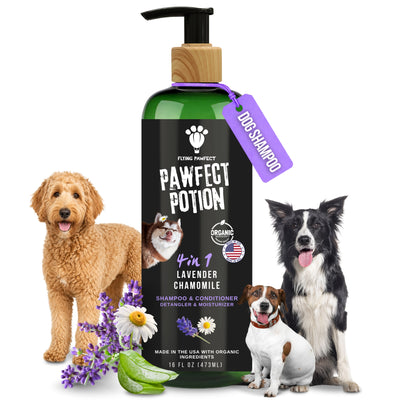
Dog Conditioner
A dog-safe conditioner can help reduce friction during the bath and make post-bath brushing easier. It is not a replacement for brushing, but it can support a smoother coat when used correctly.
Conditioner helps hair strands slide apart more easily. This is useful for dogs with long, dry, curly, or tangle-prone coats.
The key is to apply it after shampooing and rinse thoroughly unless the product is designed to be left in. Product buildup can make the coat feel heavy or sticky, which may attract dirt or make grooming harder later.
Conditioner works best when the coat has already been brushed before bathing. If you apply conditioner over existing mats, it may soften the surface but it will not magically remove tight knots.
- Best for: Reducing friction and improving post-bath brushing.
- Why it works: It helps hair strands separate more smoothly.
- Context: Use during the bath after brushing has already been completed.
Step-by-Step Guide: Brush Before and After Bathing
A good bath-day routine should feel organized. If you rush into the bath without preparing the coat, you may create more work afterward.
Use this order for most dogs, especially those with medium, long, curly, wavy, thick, or shedding coats.
- Brush the dry coat first: Remove loose hair, surface debris, and early tangles.
- Comb-check problem areas: Check ears, armpits, chest, belly, tail, and collar area.
- Wet the coat gently: Avoid rough scrubbing, especially where tangles usually form.
- Shampoo with downward motions: Work with the coat direction instead of rubbing circles into the hair.
- Use conditioner if needed: This helps reduce friction and support smoother brushing after drying.
- Dry completely: Do not leave dense coats damp underneath.
- Brush again after drying: Finish the coat and remove loosened hair.
- Comb-check one final time: Make sure no hidden tangles remain.
This order may seem like extra work, but it saves time in the long run. A properly prepared coat is easier to wash, easier to dry, and easier to finish.
Prevention Tips
The easiest bath-day grooming problems to fix are the ones you prevent before the water turns on. A few minutes of brushing before bathing can prevent a long detangling session afterward.
Focus on the coat type and the areas where your dog tangles most often.
- Never bathe a dog with obvious mats unless a groomer or vet tells you it is safe.
- Brush before bathing every time if your dog has long, curly, wavy, or dense hair.
- Use a comb before the bath to check hidden tangles.
- Avoid rough circular scrubbing on tangle-prone coats.
- Dry the coat fully before the final brush-through.
- Keep grooming sessions calm so your dog does not start resisting bath day.
For very short-haired dogs, brushing before bathing may only take one or two minutes. For doodles, poodles, long-haired breeds, and double-coated dogs, it may take longer. That time is worth it.
Common Mistakes
Most bath-day grooming mistakes happen because owners treat bathing as the first grooming step. In reality, bathing should happen after the coat is prepared.
These mistakes can make tangles worse and create more stress for your dog:
- Bathing before brushing: This can tighten existing tangles and make mats harder to remove.
- Assuming shampoo removes knots: Shampoo cleans the coat, but it does not replace brushing.
- Scrubbing in circles: Circular rubbing can twist longer hair together.
- Letting dense coats air dry: Damp undercoat can clump and hold moisture.
- Skipping the final brush: Post-bath brushing helps separate the coat and remove loosened hair.
- Using human products: Dogs need dog-safe shampoo and conditioner made for their skin and coat.
The correct routine is not complicated. Brush before, wash carefully, dry fully, and brush again.
FAQs
Should I brush my dog before bathing?
Yes. Brushing before bathing removes loose hair and tangles before water can make them harder to manage. This is especially important for long, curly, thick, or double-coated dogs.
Should I brush my dog after bathing?
Yes, but only after the coat is clean and fully dry. Post-bath brushing helps separate the coat, remove loosened hair, and create a smoother finish.
What happens if I bathe a tangled dog?
The tangles may tighten and become harder to remove. In some cases, small knots can turn into mats that require professional grooming help.
Can conditioner remove mats?
Conditioner can reduce friction and help with light tangles, but it will not safely remove tight mats by itself. Mats should be handled gently before bathing whenever possible.
Can I brush my dog while wet?
It depends on the coat and tool, but many pet owners are safer brushing before the bath and after the coat is dry. Wet brushing can stretch hair and may be uncomfortable if tangles are present.
What tool should I use before bathing?
Use a brush that matches your dog’s coat, then check your work with a stainless steel comb. For many medium, long, curly, or dense coats, a slicker brush is the best first step.
Final Thoughts
So, should you brush a dog before or after bathing? The best answer is both, but brushing before bathing is the step you should never skip.
Pre-bath brushing removes loose hair, reveals hidden tangles, and prevents water from making knots worse. Post-bath brushing finishes the coat once it is clean and fully dry.
If you follow the right order, bath day becomes easier, cleaner, and more comfortable for your dog. Brush first, bathe carefully, dry fully, then brush again for the best result.