

 Natural supplements for healthy Doodle fur growth can support skin, coat shine, and overall coat quality when they are used correctly. But supplements are not magic, and they should not be used as a shortcut for poor diet, missed brushing, skin problems, allergies, or an unhealthy grooming routine.
Doodle coats are unique because they often combine Poodle-like curl with retriever, spaniel, sheepdog, or other breed coat traits. That means fur growth, coat texture, shedding, tangling, and matting can vary a lot from one Doodle to another.
The healthiest approach is a complete coat-care plan: good nutrition, veterinarian-approved supplements when appropriate, regular brushing, comb checks, proper bathing, moisture control, and professional grooming when needed.
If your Doodle’s coat is growing but matting quickly, supplements alone will not fix the issue. Start with a practical grooming routine using the Flying Pawfect Slicker Brush to separate the coat, remove trapped hair, and reduce the tangles that can make healthy fur growth harder to manage.
Why This Matters
A Doodle’s coat is often one of the first things people notice. When the fur looks soft, shiny, full, and clean, it usually makes the dog look healthy and well cared for.
But coat appearance can be misleading. A shiny coat can still mat. A fluffy coat can still hide tangles. A Doodle can have healthy fur growth and still need frequent grooming because curl, friction, and loose hair can create mats below the surface.
- Supplements may support skin and coat health, but they cannot replace a balanced diet.
- Fur growth depends on nutrition, genetics, skin health, hormones, grooming, and overall wellness.
- Doodle coats can mat even when the hair looks shiny or soft.
- Healthy coat support should include both inside-out nutrition and outside-in grooming.
- Sudden hair loss, bald patches, severe itching, or skin redness should be checked by a veterinarian.
If your Doodle’s coat keeps tangling despite regular care, nutrition may only be one part of the picture. For a grooming-focused explanation, read Why Your Doodle Keeps Matting Even When You Brush.
How the Problem Happens
Doodle fur problems can come from several places at once. Some are nutritional, some are grooming-related, and some need veterinary attention.
That is why it is important not to assume that every dull coat or slow regrowth problem needs a supplement. Sometimes the coat needs better brushing. Sometimes the diet needs review. Sometimes the dog has allergies, parasites, skin infection, hormonal problems, or another medical issue.
- Diet gaps: A poor-quality or unbalanced diet may not provide the nutrients needed for strong skin and coat condition.
- Low essential fatty acids: Some dogs benefit from omega-3 and omega-6 support, but the right amount depends on the dog and diet.
- Skin irritation: Allergies, fleas, yeast, bacteria, or dryness can make the coat look poor even when the dog is eating well.
- Matting near the skin: Mats can pull, trap moisture, and make the coat seem unhealthy because the skin underneath is irritated.
- Over-bathing: Frequent bathing with harsh products can dry the skin and make the coat feel brittle or frizzy.
- Surface brushing: A brush that only fluffs the top coat may leave trapped hair underneath, causing tangles even when the fur looks good.
The key is to look at the whole dog. A supplement may help support coat quality, but it should not be used to cover up a recurring skin or grooming problem.
What the Solution Involves
The best solution is a layered approach. First, make sure your Doodle is eating a balanced, complete diet. Then speak with your veterinarian before adding supplements, especially if your dog has allergies, digestive issues, medication, chronic illness, pregnancy, or unexplained hair loss.
Natural supplements can support coat health, but they should be chosen carefully. More is not always better, and combining multiple coat supplements can accidentally create too much of certain nutrients.
- Start with diet quality: A complete, balanced dog food should be the foundation before adding extras.
- Ask your vet first: Supplements can interact with health conditions, medications, or dietary needs.
- Consider omega-3 support: Fish oil or algae-based omega-3 may support skin and coat health when appropriate.
- Be careful with biotin and zinc: These may help only when there is a need or deficiency, not as a random add-on.
- Watch the skin: Healthy fur growth starts with healthy skin, not only hair products or supplements.
- Maintain the coat externally: Brush, comb-check, dry, and groom the coat so healthy growth does not become healthy mats.
For Doodles, the outside routine matters as much as the inside support. A great supplement cannot prevent mats if the coat is not being separated, checked, and maintained.
Recommended Tools
This article is about natural supplements, but Doodle fur growth is not only a nutrition issue. Once the coat grows, it has to be maintained.
The most practical support system combines vet-approved nutrition with the right grooming tools. Use supplements only under appropriate guidance, and use brushing tools consistently to keep the growing coat from tangling.

Flying Pawfect Slicker Brush
The Flying Pawfect Slicker Brush is the main tool to use while supporting healthy Doodle fur growth because growing fur still needs regular separation. A supplement may support skin and coat quality, but the brush helps manage the coat that is actually growing.
Doodle coats can trap loose hair inside curls, waves, fleece texture, or cottony density. If that trapped hair is not removed, it can twist into tangles even when the coat is shiny and healthy.
This brush helps loosen trapped hair, separate the coat, and reduce the surface-only grooming mistake that many Doodle owners make. The dog may look fluffy after a quick brush, but the lower coat may still be packed.
The Flying Pawfect Slicker Brush fits into a complete coat-health routine. Feed a balanced diet, discuss supplements with your veterinarian, then brush regularly so the coat stays open, clean, and easier to inspect.
It is especially useful for Goldendoodles, Labradoodles, Bernedoodles, Sheepadoodles, Aussiedoodles, Cavapoos, Cockapoos, and Doodles with long, curly, wavy, fleece, wool, or mat-prone coats.
Use it several times per week if your Doodle has a longer coat, is growing out after a haircut, is recovering from matting, or has a coat that tangles easily. Focus on behind the ears, collar area, chest, belly, underarms, legs, tail base, and harness zones.
This brush also helps you notice coat changes early. While brushing, you may find dry areas, skin flakes, new tangles, thinning patches, irritation, or places where the coat feels different than usual. Those observations can help you decide whether to adjust the grooming routine or speak with your veterinarian.
Tool quality matters because healthy fur growth can still become uncomfortable if the wrong brush skims the surface or pulls through tangles. A better slicker brush makes maintenance more effective, more comfortable, and easier to repeat consistently.
- Best for: Maintaining healthy Doodle fur growth, separating curly or wavy coats, reducing trapped hair, and preventing tangles while the coat grows.
- Why it works: It helps open the coat and remove loose hair before growing fur tightens into mats.
- Context: Use alongside balanced nutrition and vet-approved supplement support, then follow with a comb check.

Stainless Steel Dog Comb
A stainless steel dog comb is the checking tool after brushing. It helps you confirm whether your Doodle’s growing coat is actually clear below the surface.
This matters because healthy fur growth can still hide tangles. If the comb catches after brushing, the coat may be compacting underneath even if it looks shiny on top.
Use the comb after the slicker brush, not before. Starting with a comb on a tangled coat can snag, pull, and make your dog dislike grooming.
The comb is also useful for monitoring progress. If your Doodle’s coat is improving from better diet or vet-approved supplements, the comb helps you feel whether the texture is becoming easier to maintain.
- Best for: Checking hidden tangles, monitoring coat texture, and confirming that growing Doodle fur is clear after brushing.
- Why it works: It reveals snags that surface brushing can miss.
- Context: Use after slicker brushing on ears, collar area, chest, belly, underarms, legs, and tail base.

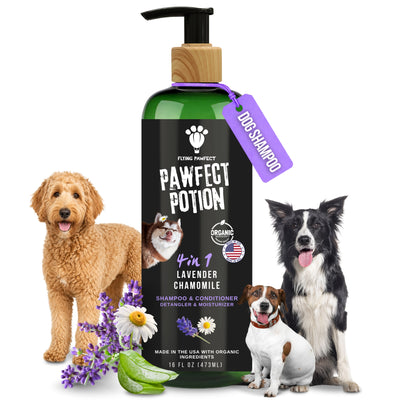
Gentle Dog Shampoo for Sensitive Skin
A gentle dog shampoo can support the outside part of healthy fur growth by helping keep the coat clean without stripping the skin. It is not a supplement, but it matters because healthy hair grows from healthy skin.
Harsh shampoos or over-bathing can make the coat feel dry, dull, or frizzy. Doodles with sensitive skin may need a mild formula chosen with veterinary guidance.
Always brush and comb-check before bathing. Bathing a tangled Doodle coat can tighten mats and make the coat harder to manage afterward.
Use shampoo as part of a balanced routine, not as a cure for coat problems. If your dog has itching, redness, flakes, odor, or hair loss, ask your veterinarian before switching products repeatedly.
- Best for: Gentle coat cleaning, sensitive skin support, and maintaining coat comfort between grooming appointments.
- Why it works: A mild shampoo can clean without over-stripping the coat when used properly.
- Context: Brush first, bathe only when needed, rinse thoroughly, dry well, then brush and comb-check again.
Step-by-Step Guide
Use this process before adding natural supplements for healthy Doodle fur growth. It keeps the routine safe, practical, and easier to evaluate.
Do not start several new supplements at once. If something helps or causes stomach upset, you will not know which product was responsible.
- Check the current diet: Make sure your Doodle is eating a complete and balanced food appropriate for their age, size, and health needs.
- Look at the skin: Check for flakes, redness, odor, sores, bald spots, or excessive scratching before assuming supplements are the answer.
- Talk to your veterinarian: Ask whether omega-3, fatty acids, or other coat-support supplements make sense for your dog.
- Choose one change at a time: Add only one supplement or diet change so you can monitor results and tolerance.
- Watch digestion: Stop and ask your vet if your dog develops vomiting, diarrhea, greasy stools, appetite changes, or unusual behavior.
- Brush consistently: Use a slicker brush and comb check so healthy growth does not turn into healthy mats.
- Track changes over time: Coat improvement is usually gradual. Take notes on shine, texture, shedding, itching, and matting speed.
- Recheck if symptoms continue: Persistent itching, hair loss, odor, or skin irritation needs professional evaluation.
A good brushing schedule makes supplement results easier to judge. For maintenance timing, read How Often Should You Brush a Doodle? (Complete Guide).
Prevention Tips
Healthy fur growth is easier to maintain when the coat is cared for before problems appear. Doodles need a routine that supports both skin health and coat structure.
Think of supplements as possible support, not the whole plan.
- Feed a complete and balanced diet before adding supplements.
- Ask your vet before using fish oil, algae oil, biotin, zinc, probiotics, or herbal coat products.
- Avoid stacking multiple skin and coat supplements without guidance.
- Brush several times per week if your Doodle has a long, curly, wavy, fleece, or mat-prone coat.
- Use a comb check after brushing to confirm the coat is clear underneath.
- Keep the coat dry after rain, wet grass, swimming, or baths.
- Book professional grooming before the coat becomes clumpy or packed.
For tool guidance specific to Doodle coats, read Best Slicker Brushes for Doodles.
Common Mistakes
The most common mistake is expecting supplements to fix a grooming issue. If the coat is matting, the dog needs brushing, comb checking, and possibly a shorter grooming schedule.
Another mistake is giving too many supplements without knowing whether the dog actually needs them.
- Skipping the vet: Coat changes can come from allergies, parasites, infection, hormones, or other health issues.
- Adding too many products: More supplements can increase the risk of digestive upset or nutrient imbalance.
- Using human products without checking: Some human supplements contain flavors, sweeteners, or ingredients that are not appropriate for dogs.
- Ignoring diet quality: Supplements cannot fully compensate for an unsuitable daily diet.
- Expecting instant fur growth: Coat improvement usually takes time and depends on the hair-growth cycle.
- Brushing only the surface: A shiny coat can still hide tangles underneath.
- Bathing too often: Over-bathing or harsh shampoo can dry the skin and make coat quality worse.
Supplements should make a good routine stronger. They should not be used to avoid investigating persistent skin, coat, or grooming problems.
FAQs
What natural supplements help Doodle fur growth?
Common coat-support supplements include omega-3 fatty acids from fish oil or algae oil, omega-6 fatty acids, and sometimes biotin or zinc when appropriate. Always ask your veterinarian before adding them because the right choice depends on diet, health, weight, and symptoms.
Is fish oil good for Doodle coats?
Fish oil can support skin and coat health in some dogs because it contains omega-3 fatty acids such as EPA and DHA. The dose and product type should be discussed with your veterinarian, especially if your dog has health conditions or takes medication.
Can supplements stop Doodle mats?
No. Supplements may support coat quality, but they do not stop curl, friction, loose hair, or moisture from creating mats. Doodles still need brushing, comb checks, drying, and regular grooming.
How long does it take to see coat improvement?
Coat improvement is usually gradual because fur growth takes time. You may notice changes in skin comfort, shine, or coat feel before you see obvious growth changes.
Should I give my Doodle biotin?
Do not add biotin randomly without asking your veterinarian. It may be useful in certain situations, but coat problems can come from many causes that biotin will not fix.
When should I call a vet about my Doodle’s coat?
Call your veterinarian if your Doodle has bald patches, severe itching, redness, sores, odor, flaky skin, sudden coat thinning, or repeated ear and skin problems. Those signs may need diagnosis rather than supplements.
Final Thoughts
Natural supplements for healthy Doodle fur growth can be helpful when they are chosen carefully and used as part of a complete care routine. The foundation should always be a balanced diet, healthy skin, veterinary guidance, and consistent grooming.
Omega-3 support, essential fatty acids, and other coat-focused nutrients may help some dogs, but they are not a replacement for brushing, comb checking, professional grooming, or medical care when symptoms are present.
With the Flying Pawfect Slicker Brush, a stainless steel comb, gentle coat care, vet-approved supplement choices, and a realistic Doodle grooming schedule, you can support healthier fur growth while keeping the coat comfortable, cleaner, and easier to maintain.
![[BL] Flying Pawfect baby blue large curved slicker brush for doodles and long haired dogs](http://flyingpawfect.com/cdn/shop/files/CBL_HERO_26_05_819be2a4-36dd-43dc-bda3-1730fa9e5818.jpg?v=1784475444&width=400)