


How to Groom a Doodle at Home: The Complete Guide to a Matt-Free, Fluffy Coat
Grooming a doodle at home can feel overwhelming at first. Their coats are beautiful but demanding, and many owners quickly realize that doodles require far more maintenance than most breeds. Without the right routine, their soft curls can turn into tight mats faster than expected.
The truth is, most grooming problems are not caused by the dog, they are caused by inconsistent routines or using the wrong tools. Once you understand how a doodle coat behaves and how to properly maintain it, grooming becomes predictable, manageable, and even enjoyable.
This guide will show you exactly how to groom a doodle at home step-by-step. You will learn what causes matting, how to prevent it, which tools actually work, and how to build a routine that keeps your dog comfortable, clean, and fluffy year-round.
Using the right grooming tools can make a huge difference in your dog’s coat health and your daily routine.
Why Doodles Mat Faster Than Owners Expect
Doodles are prone to matting because their coats trap loose hair instead of shedding it. This creates knots beneath the surface that tighten over time. When mats form close to the skin, they can cause discomfort, restrict airflow, and even lead to skin irritation.
- mats can pull tightly on the skin and cause pain
- severe matting often requires full shaving
- trapped moisture can lead to skin infections
- neglected coats reduce your dog’s comfort and mobility
- frequent groomer visits can become very expensive
The key takeaway is simple: preventing matting is far easier, cheaper, and more comfortable for your dog than fixing it later.
How Trapped Hair Turns Into Knots Near the Skin
A doodle’s coat is a mix of curly and soft textures, which creates the perfect environment for tangles. Loose hairs get caught in the curls instead of falling out, forming knots that tighten over time.
Most owners make the mistake of brushing only the surface. This leaves deeper layers untouched, allowing mats to develop underneath while the coat appears clean on top.
- inconsistent brushing routines
- using brushes that do not reach the undercoat
- skipping comb checks after brushing
- letting coats air dry without brushing
- neglecting high-friction areas like ears and legs
Understanding how matting starts is the first step toward preventing it entirely.
What an At-Home Doodle Routine Actually Covers
The solution to doodle grooming is not complicated, but it requires consistency. Instead of reacting to problems, you need to maintain the coat regularly so issues never build up.
A proper grooming routine focuses on reaching deep into the coat, checking your work, and maintaining a schedule that prevents tangles from forming.
- use a slicker brush for deep brushing
- follow with a comb to detect hidden knots
- brush multiple times per week
- dry properly after bathing
- focus on consistency rather than intensity
When you follow this system, grooming becomes faster, easier, and far more effective.
Top 3 Tools for Grooming a Doodle at Home
1. Flying Pawfect Slicker Brush

If you want to prevent mats before they start, this is the most important tool you can own. The Flying Pawfect Slicker Brush is specifically designed to penetrate thick doodle coats and remove loose hair trapped beneath the surface.
This is the tool most groomers rely on because it works efficiently without damaging the coat. If you want to reduce brushing time while improving results, this is the tool that makes the biggest difference.
If you are currently struggling with tangles or your dog’s coat feels dense and heavy, this brush will immediately improve your grooming results.
- Best for: daily brushing and detangling
- Why it works: reaches deep into dense coats
- Context: use gently and brush in sections
2. Stainless Steel Dog Grooming Comb

A grooming comb is essential for checking your work after brushing. It ensures that there are no hidden tangles left behind, especially in areas where mats form easily.
This tool helps you maintain precision and prevent small knots from becoming large problems. It is simple, effective, and often overlooked.
If you want a professional-level grooming result at home, this step is non-negotiable.
- Best for: finishing and detail work
- Why it works: detects hidden tangles
- Context: use after brushing every time
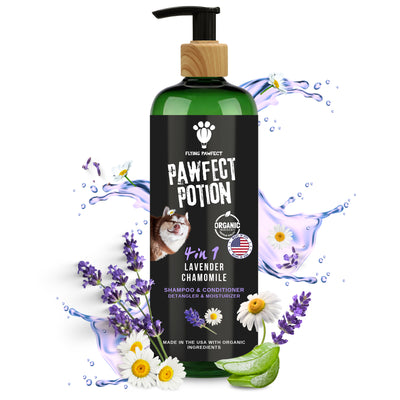
3. Dog Shampoo for Sensitive Skin

Bathing plays a key role in grooming, but using the wrong shampoo can dry out your dog’s coat and increase tangling. A gentle shampoo helps maintain softness and manageability.
Healthy skin and coat make brushing easier and reduce the risk of mats forming after baths.
If your dog’s coat feels rough after bathing, your shampoo choice may be the issue.
- Best for: maintaining coat softness
- Why it works: prevents dryness and tangles
- Context: avoid over-bathing
Step by Step: Grooming a Doodle at Home
- Start by brushing your dog in sections
- Work from the base outward
- Use a comb to check for tangles
- Bathe using gentle shampoo
- Blow dry while brushing
Keeping the Coat Manageable Between Grooms
- brush consistently 3–5 times per week
- focus on problem areas
- keep grooming sessions short
- use high-quality tools
Home Grooming Mistakes That Cause Matting
- only brushing surface layers
- inconsistent grooming
- using poor-quality tools
- letting coat air dry
FAQs
How often should I groom a doodle at home?
Brushing three to five times a week suits most doodles, and daily suits a long curly coat. Bathing is far less frequent, usually every four to six weeks. The brushing is what prevents matting; the bathing just keeps the coat clean.
What is the best brush for a doodle?
A slicker brush that reaches the skin is the one tool you cannot work without. A long-tooth comb comes second, because it is what tells you whether the brushing actually worked. Everything else is optional.
Can I really groom a doodle at home, or do I need a groomer?
You can do all the brushing, combing and bathing at home. What you cannot easily do is the clipping, especially face, feet and sanitary areas. Most owners brush at home and book a groomer every four to eight weeks.
Why does my doodle still mat even though I brush?
Almost always because the brush is passing over the top of the coat rather than through it. Doodle hair curls, so the surface can look brushed while the layer underneath is knotting. Working in sections and brushing to the skin is the fix, and brushing a doodle coat to prevent matting shows the technique.
What is line brushing and do I need it?
Line brushing means parting the coat and brushing one narrow line at a time, working up the body. It is slower than general brushing but it is the only way to be sure you reached the skin. The method is set out in our step-by-step line brushing tutorial.
Should I brush before or after bathing?
Before, always. Water tightens any tangle it touches, so a mat that was brushable dry can be solid once wet. Brush the coat out completely, then bathe.
How do I know when the coat is actually finished?
Run a comb through the area you just brushed and let it reach the skin. If it passes freely you are done; if it catches, that patch is not brushed yet. A full calendar for brushing, bathing and salon visits is in the best grooming schedule for doodles.
Final Thoughts
Grooming your doodle at home is completely achievable when you use the right tools and follow a consistent routine. The key is preventing problems before they start.
👉 Ready to upgrade your dog’s grooming routine? Explore professional-grade tools at Flying Pawfect and see the difference.
![[BL] Flying Pawfect baby blue large curved slicker brush for doodles and long haired dogs](http://flyingpawfect.com/cdn/shop/files/CBL_HERO_26_05_819be2a4-36dd-43dc-bda3-1730fa9e5818.jpg?v=1784475444&width=400)